
Mobile Wound Care Pricing for Diabetic Foot Ulcers in Southern California
Diabetic foot ulcers represent a critical and costly complication of diabetes, affecting millions of patients annually. According to the Centers for Disease Control and Prevention, approximately 25% of people with diabetes will develop a foot ulcer during their lifetime, with associated healthcare costs reaching billions of dollars annually. For patients in Southern California, navigating the financial aspects of advanced mobile wound care is essential to ensure timely and effective treatment without unexpected financial burdens. This guide details the pricing structures, insurance coverage options, and cost-saving strategies for mobile wound care services in the region. (About Healix360 Mobile Wound)
Understanding Mobile Wound Care for Diabetic Foot Ulcers
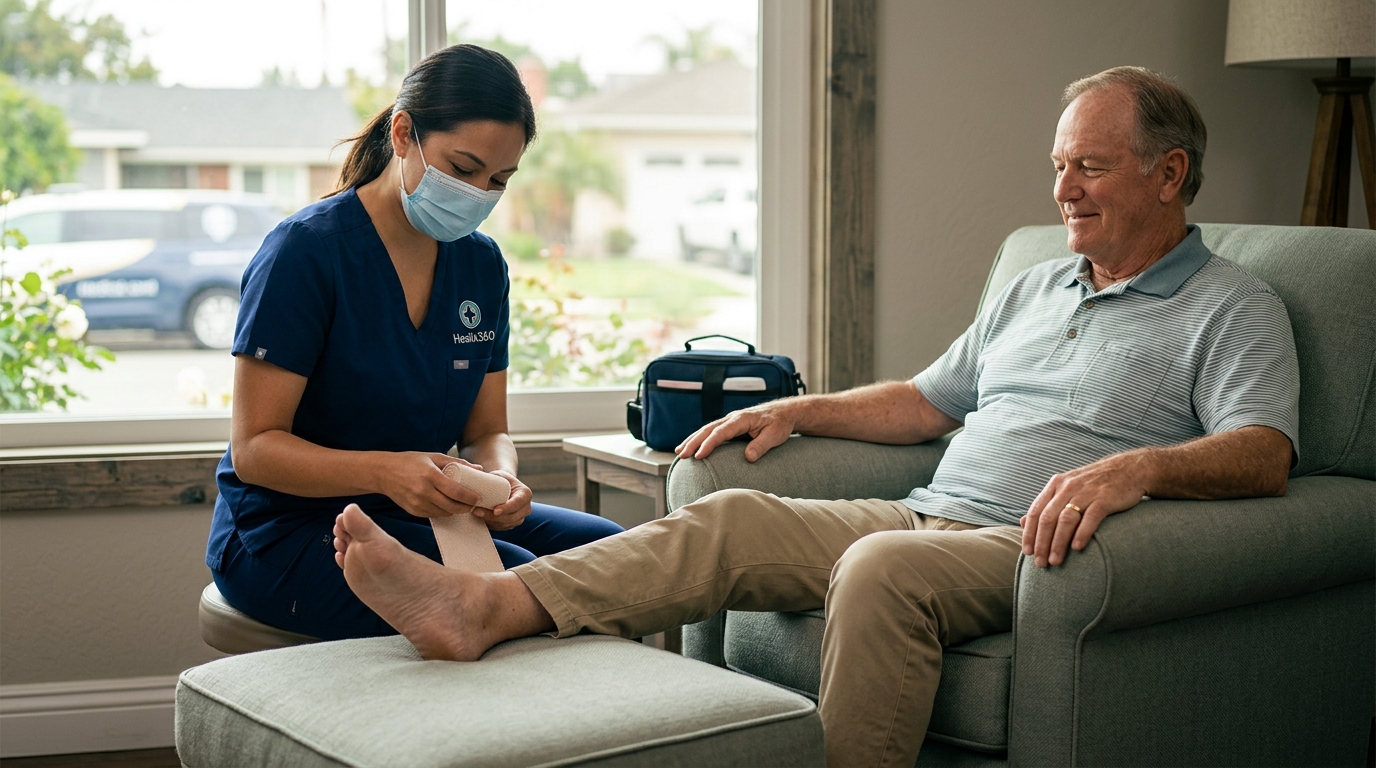
Mobile wound care brings hospital-grade treatment directly to the patient's home, assisted living community, or skilled nursing facility. This model is particularly beneficial for patients with diabetic foot ulcers, who often face mobility challenges and require frequent, specialized care. Healix360 coordinates access to physician-led advanced wound care delivered by independent licensed physicians and nurse practitioners across Southern California and Nevada. The service accepts Medicare Part B and most major insurance plans, ensuring accessibility for a broad range of patients.
Diabetic foot ulcers are open sores or wounds that occur on the feet of people with diabetes. They are typically caused by neuropathy (nerve damage) and poor circulation, which impair the body's ability to heal. Without proper treatment, these ulcers can lead to severe infections, hospitalization, and even amputation. Mobile wound care addresses these risks by providing timely, consistent, and specialized care in a comfortable setting.
Healix360's approach ensures that every patient is assessed in person by a licensed physician or nurse practitioner. The clinician designs and oversees a treatment plan that may include surgical debridement, advanced biologics, regenerative therapies, compression, and offloading. This personalized care plan is crucial for managing the complexity of diabetic foot ulcers and promoting healing.
Pricing Models for Mobile Wound Care
Understanding the pricing structure of mobile wound care is vital for patients and their families. Costs can vary based on several factors, including the severity of the ulcer, the frequency of visits, and the specific treatments required. Generally, mobile wound care pricing includes the following components:
- Physician/Nurse Practitioner Visit Fees: These fees cover the cost of the in-home assessment and treatment. The frequency of visits depends on the ulcer's healing progress and the patient's overall health.
- Advanced Wound Care Products: Costs for specialized dressings, bioengineered skin, negative pressure wound therapy devices, and other advanced materials used in treatment.
- Diagnostic Tests: If additional tests, such as wound cultures or imaging, are required, these may incur separate fees.
- Follow-Up Care: Ongoing monitoring and adjustments to the treatment plan may involve additional visits or telehealth consultations.
Healix360 works with patients to navigate these costs, leveraging their acceptance of Medicare Part B and major insurance plans to minimize out-of-pocket expenses. For patients without insurance, Healix360 offers transparent pricing and flexible payment options to ensure access to care.
Insurance Coverage and Medicare Part B
Insurance coverage plays a significant role in determining the out-of-pocket costs for mobile wound care. Medicare Part B, which covers outpatient services, including wound care, is a primary payer for many patients. According to the Medicare.gov, Medicare Part B typically covers 80% of the Medicare-approved amount for medically necessary services, leaving the patient responsible for the remaining 20% plus any deductible.
Healix360 accepts Medicare Part B, which means eligible patients can receive mobile wound care services with reduced financial burden. The service also accepts most major insurance plans, including private insurance and Medicaid, depending on the state and specific plan details. Patients are encouraged to verify their coverage with their insurance provider to understand their specific benefits and any required pre-authorizations.
For patients with private insurance, coverage for mobile wound care can vary widely. Some plans may cover the full cost of in-home visits, while others may require co-pays or co-insurance. It is essential to review the policy details or contact the insurance company directly to understand the extent of coverage for mobile wound care services.
Cost Comparison: Mobile vs. In-Clinic Care
When evaluating the cost of mobile wound care, it is helpful to compare it with traditional in-clinic care. While in-clinic visits may seem less expensive on a per-visit basis, they often involve additional costs such as transportation, time off work, and potential complications from travel for patients with limited mobility.
| Factor | Mobile Wound Care | In-Clinic Care |
|---|---|---|
| Visit Cost | Higher per-visit fee, but often covered by insurance | Lower per-visit fee, but may require multiple visits |
| Transportation | No transportation costs | Significant transportation costs, including potential medical transport |
| Convenience | High convenience, care delivered at home | Requires travel to clinic, potential wait times |
| Healing Outcomes | Consistent, specialized care in a familiar environment | Depends on patient's ability to attend regular appointments |
Mobile wound care can be more cost-effective in the long run by reducing the risk of complications, hospitalizations, and amputations. Early and consistent intervention is key to preventing the progression of diabetic foot ulcers, which can lead to significantly higher healthcare costs.

Factors Influencing Treatment Costs
Several factors can influence the overall cost of mobile wound care for diabetic foot ulcers. Understanding these factors can help patients and their families anticipate and manage expenses.
Severity of the Ulcer
The severity of the diabetic foot ulcer directly impacts the cost of treatment. More severe ulcers may require more frequent visits, advanced treatments, and specialized materials, all of which increase the overall cost. Early intervention can help prevent the ulcer from worsening, potentially reducing long-term costs.
Frequency of Visits
The frequency of mobile wound care visits depends on the healing progress and the patient's response to treatment. Patients with slower-healing ulcers may require more frequent visits, which can increase the total cost. However, consistent care is essential for promoting healing and preventing complications.
Advanced Treatments
Advanced wound care treatments, such as negative pressure wound therapy, bioengineered skin, and regenerative therapies, can be more expensive than traditional dressings. However, these treatments are often more effective in promoting healing and reducing the risk of infection, which can lead to cost savings over time.
Key Takeaways
- Mobile wound care for diabetic foot ulcers is covered by Medicare Part B and most major insurance plans, reducing out-of-pocket costs for eligible patients.
- Healix360 provides physician-led advanced wound care delivered by licensed physicians and nurse practitioners in Southern California and Nevada.
- Costs for mobile wound care include visit fees, advanced wound care products, and diagnostic tests, with pricing varying based on the severity of the ulcer and treatment requirements.
- Mobile wound care can be more cost-effective than in-clinic care by reducing transportation costs, improving convenience, and promoting better healing outcomes.
- Early intervention and consistent care are crucial for preventing complications and reducing long-term healthcare costs associated with diabetic foot ulcers.
- Patients should verify their insurance coverage and understand their specific benefits before beginning mobile wound care services.
- Healix360 accepts Medicare Part B and most major insurance plans, ensuring accessibility for a broad range of patients in Southern California and Nevada.
Frequently Asked Questions
Is mobile wound care covered by insurance?
Yes, Healix360 accepts Medicare Part B and most major insurance plans. Patients should verify their specific coverage with their insurance provider to understand their benefits and any required pre-authorizations.
How much does mobile wound care cost?
The cost of mobile wound care varies based on the severity of the ulcer, the frequency of visits, and the specific treatments required. Healix360 provides transparent pricing and works with patients to navigate insurance coverage to minimize out-of-pocket expenses.
What types of diabetic foot ulcers can be treated with mobile wound care?
Mobile wound care can treat a wide range of diabetic foot ulcers, including those caused by neuropathy, poor circulation, and infection. Healix360's physician-led approach ensures that each patient receives a personalized treatment plan tailored to their specific needs.
How quickly can I start mobile wound care?
Care typically begins within 3-5 business days after requesting a provider. Healix360 coordinates access to advanced mobile wound care, ensuring timely intervention for patients with diabetic foot ulcers.
What are the benefits of mobile wound care for diabetic foot ulcers?
Mobile wound care offers several benefits, including hospital-grade treatment in the comfort of home, reduced transportation costs, improved convenience, and consistent, specialized care that promotes healing and prevents complications.
Does Healix360 serve areas outside of Southern California?
Yes, Healix360 serves Southern California and Nevada, including Los Angeles, Orange, Riverside, San Bernardino, Ventura, San Diego counties, and Las Vegas. Patients in these areas can access advanced mobile wound care services.
What should I expect during a mobile wound care visit?
During a mobile wound care visit, a licensed physician or nurse practitioner will assess the ulcer, clean and debride the wound, apply advanced dressings or treatments, and provide a personalized care plan. The clinician will also educate the patient and their family on wound care and prevention strategies.
Contact Healix360
If you or a loved one is struggling with a diabetic foot ulcer, do not wait to seek care. Healix360 provides advanced mobile wound care that brings hospital-grade treatment directly to your home. Call 877-545-1300 or request a provider to begin care today. Healix360 serves Southern California and Nevada and accepts Medicare Part B and most major insurance plans.