

Diabetic foot ulcers are a severe complication affecting millions of individuals with diabetes, often leading to hospitalization if not treated promptly. According to the Centers for Disease Control and Prevention, approximately 25% of people with diabetes will develop a foot ulcer during their lifetime. Accessing advanced mobile wound care has become a critical pathway for patients seeking hospital-grade treatment without the burden of travel. This guide outlines the precise steps to coordinate physician-led care in your home or assisted living facility.
Understanding the Need for Mobile Care
Diabetic foot ulcers represent open sores or ulcers that occur on the feet of people with diabetes. These wounds are often difficult to heal and can lead to serious infections. Diabetic foot ulcer is a serious complication of diabetes that requires immediate professional intervention. Traditional clinic visits can be physically taxing for patients with limited mobility or those managing multiple chronic conditions.
Mobile wound care bridges this gap by bringing licensed physicians and nurse practitioners directly to the patient. This model ensures that complex wounds receive consistent, high-quality care in a familiar environment. The convenience of in-home visits reduces the risk of missed appointments, which is crucial for maintaining healing timelines.
Eligibility and Insurance Coverage
One of the primary concerns for patients is the cost of specialized wound care. Fortunately, many advanced mobile wound care services are designed to work within existing healthcare frameworks. Understanding your coverage options is the first step in accessing these services.
Medicare Part B Acceptance
Medicare Part B covers medically necessary outpatient services, including wound care. Many mobile wound care providers, such as those coordinated through Healix360, accept Medicare Part B. This acceptance significantly reduces out-of-pocket costs for eligible patients. It is essential to verify your specific plan details before initiating care.
Major Insurance Plans
Beyond Medicare, most major private insurance plans also cover mobile wound care services. Coverage typically includes physician visits, advanced dressings, and debridement procedures. Patients should contact their insurance provider to confirm in-network status and any required pre-authorizations.
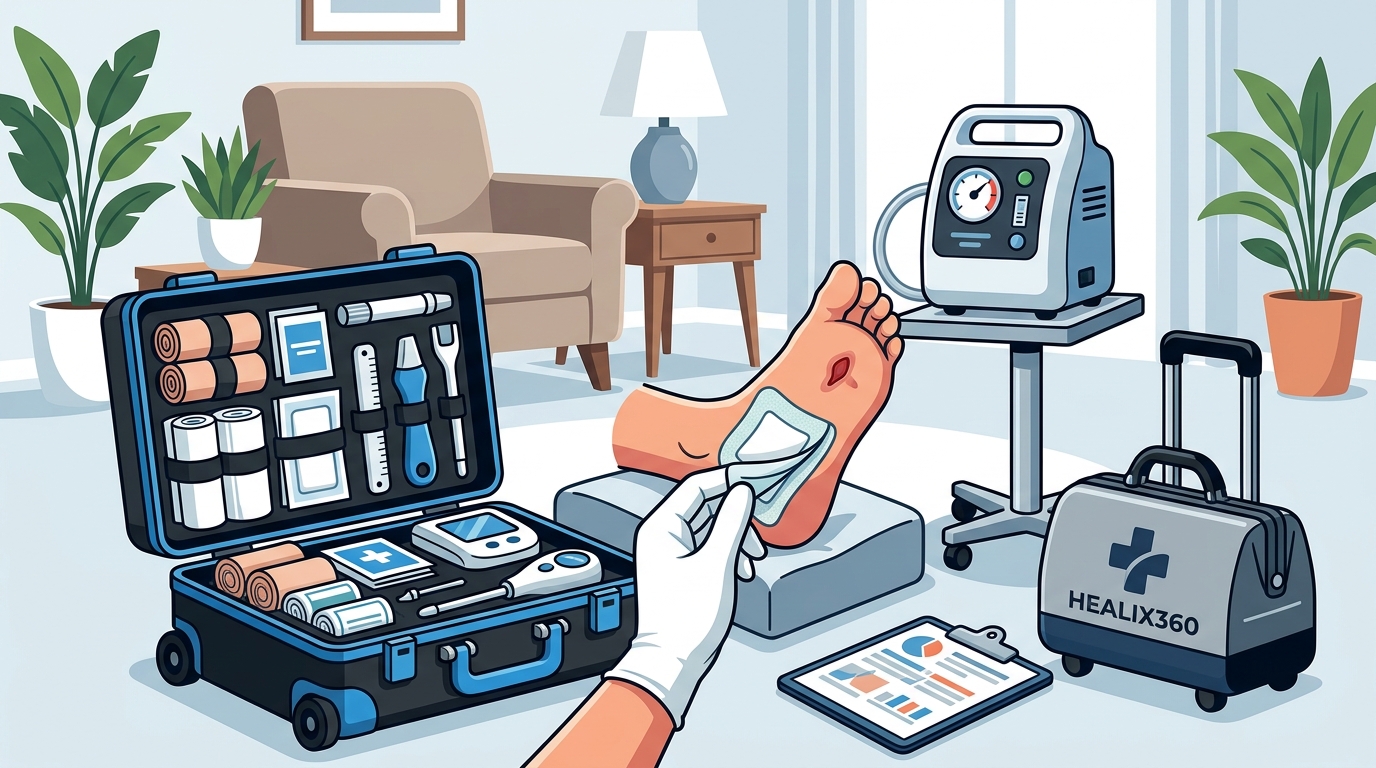
The Coordination Process
Accessing mobile wound care is not a direct-to-consumer transaction in the traditional sense. It often involves a coordination process that ensures the right provider is matched with the patient's specific medical needs.
Step 1: Initial Assessment
The process begins with a request for a provider. This can be initiated by the patient, a family member, or a healthcare professional. The coordination team evaluates the wound type, location, and urgency. For patients in Southern California and Nevada, this network is particularly robust.
Step 2: Provider Matching
Once the assessment is complete, the service matches the patient with an independent licensed physician or nurse practitioner. These clinicians are trained in advanced wound care and are equipped to handle complex cases. The match considers geographic proximity and clinical expertise.
Step 3: In-Home Visit
Care typically begins within 3 to 5 business days. The clinician visits the patient's home, assisted living community, or skilled nursing facility. During this visit, the clinician performs a thorough assessment and begins the treatment plan. This rapid response time is critical for preventing infection and promoting healing.
Advanced Treatment Modalities
Mobile wound care providers utilize a range of advanced therapies to treat diabetic foot ulcers. These treatments are designed to accelerate healing and prevent amputation.
Negative Pressure Wound Therapy
Negative Pressure Wound Therapy (NPWT) uses a vacuum dressing to promote healing in acute and chronic wounds. This therapy helps remove excess fluid, increase blood flow, and promote granulation tissue formation. It is often used for deep or complex ulcers.
Sharp Debridement
Sharp debridement involves the removal of dead, damaged, or infected tissue to improve the healing potential of the remaining healthy tissue. This procedure is performed by licensed clinicians during in-home visits. It is a critical step in preparing the wound bed for further treatment.
Bioengineered Skin and Biologics
Bioengineered skin substitutes provide a temporary covering for wounds that do not heal with standard treatment. These biologics contain living cells and growth factors that stimulate the body's natural healing processes. They are particularly effective for diabetic ulcers that have resisted conventional care.
Choosing the Right Provider
Selecting the right mobile wound care provider involves evaluating several factors. The provider must be licensed, experienced, and equipped to handle your specific condition.
Geographic Service Areas
Mobile wound care services are often region-specific. For example, Healix360 serves Southern California and Nevada. Patients in Los Angeles, Orange, Riverside, San Bernardino, Ventura, San Diego counties, and Las Vegas have access to this network. It is important to confirm that the provider operates in your area.
Clinical Expertise
Look for providers who specialize in complex wound types. Diabetic foot ulcers require specific expertise in vascular health, infection control, and offloading strategies. Providers who offer a physician-led approach ensure that treatment plans are overseen by medical doctors.
Insurance Compatibility
Verify that the provider accepts your insurance plan. This includes Medicare Part B and major private insurers. Understanding your coverage helps avoid unexpected costs and ensures continuity of care.
Comparison of Care Options
| Feature | Mobile Wound Care | Traditional Clinic | Home Health Agency |
|---|---|---|---|
| Provider Type | Licensed Physician/NP | Physician/NP | Nurse/Therapist |
| Location | Home/Facility | Clinic/Hospital | Home/Facility |
| Advanced Therapies | Yes (NPWT, Biologics) | Yes | Limited |
| Insurance | Medicare/Major Plans | Medicare/Major Plans | Medicare/Major Plans |
| Response Time | 3-5 Business Days | Varies | Varies |
Key Takeaways
- Rapid Access: Care typically begins within 3 to 5 business days after the initial request.
- Insurance Coverage: Most services accept Medicare Part B and major private insurance plans.
- Advanced Therapies: Treatments include negative pressure wound therapy, sharp debridement, and bioengineered skin.
- Geographic Reach: Services are available in specific regions, such as Southern California and Nevada.
- Physician-Led Care: Treatment plans are designed and overseen by licensed physicians or nurse practitioners.
- Complex Wound Expertise: Providers specialize in diabetic foot ulcers, venous leg ulcers, and pressure injuries.
- Convenience: In-home visits eliminate the need for travel and reduce patient burden.
Frequently Asked Questions
What is a diabetic foot ulcer?
A diabetic foot ulcer is an open sore or wound that typically occurs on the bottom of the foot. It is a serious complication of diabetes that requires immediate professional intervention to prevent infection and amputation.
Does mobile wound care accept Medicare?
Yes, many mobile wound care services, including those coordinated through Healix360, accept Medicare Part B. This coverage helps reduce out-of-pocket costs for eligible patients.
How quickly can I get an in-home visit?
Care typically begins within 3 to 5 business days after the initial request. The coordination team works to match you with a qualified provider as quickly as possible.
What types of wounds are treated?
Mobile wound care providers treat a variety of complex wounds, including diabetic foot ulcers, venous leg ulcers, pressure injuries, post-surgical wounds, and arterial ulcers.
Is sharp debridement performed at home?
Yes, licensed physicians and nurse practitioners can perform sharp debridement during in-home visits. This procedure removes dead tissue to promote healing.
What areas do you serve?
Services are available in specific regions. For example, Healix360 serves Southern California and Nevada, including Los Angeles, Orange, Riverside, San Bernardino, Ventura, San Diego counties, and Las Vegas.
Can I request a provider directly?
Yes, patients, family members, or healthcare professionals can request a provider. The coordination team will assess your needs and match you with an appropriate clinician.
Next Steps
If you or a loved one is struggling with a diabetic foot ulcer, do not wait for the wound to heal on its own. Early intervention is critical to preventing complications and promoting healing. Contact a mobile wound care coordination service today to begin the process.
For patients in Southern California and Nevada, Healix360 offers a streamlined path to advanced, physician-led wound care. Call 877-545-1300 or request a provider to begin care. Access to hospital-grade treatment in the comfort of your home is just a phone call away.