
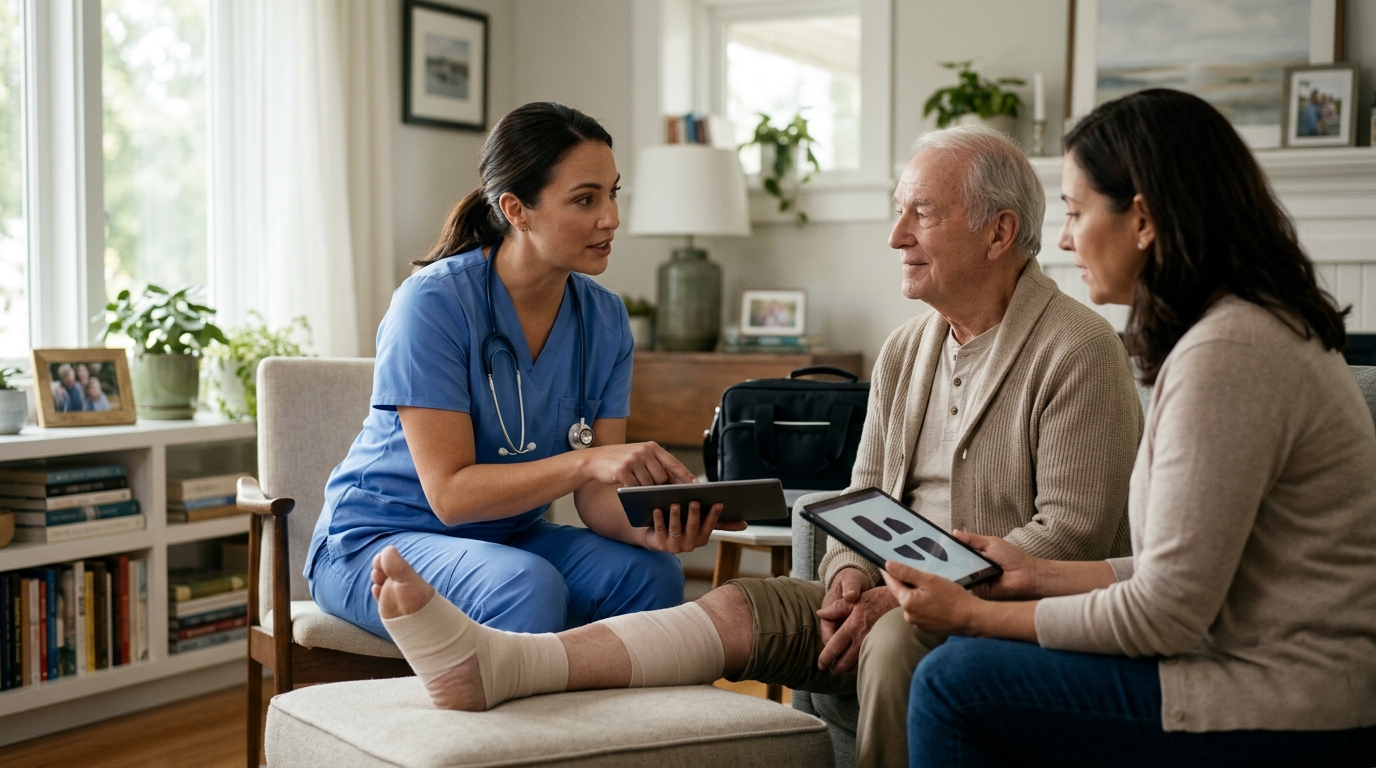
Advanced wound care has evolved significantly over the last decade, shifting from hospital-centric models to patient-centered home-based solutions. According to recent healthcare industry reports, approximately 82% of chronic wound patients now prefer receiving treatment in their own homes rather than traveling to clinical facilities. This shift is driven by the need for continuous, specialized care that addresses complex conditions like diabetic foot ulcers and venous leg ulcers without the logistical burden of frequent hospital visits. Understanding the differences between traditional clinic visits, mobile physician services, and standard home health nursing is critical for ensuring optimal healing outcomes.
Mobile Physician Care vs. Traditional Clinic Visits
The most significant distinction in modern wound care is the location of the provider. Traditional wound care clinics require patients to travel to a physical office. For individuals with limited mobility, this creates a barrier to consistent care. Mobile wound care services, such as those coordinated by Healix360, bring hospital-grade treatment directly to the patient.
Mobile care eliminates the stress of transportation and allows clinicians to assess the home environment for risk factors. This holistic approach ensures that the treatment plan is tailored to the patient's daily life. In contrast, clinic-based care often focuses solely on the wound itself, potentially missing environmental triggers that delay healing.
Another key difference is the speed of intervention. Mobile services typically coordinate care within 3 to 5 business days. This rapid response is crucial for preventing infection and managing acute exacerbations of chronic conditions. Traditional clinics may have longer wait times for new patient appointments, which can allow minor issues to become major complications.
Advanced Therapies: NP vs. MD Oversight
Not all advanced wound care is created equal. The level of medical oversight determines the complexity of conditions that can be treated safely. Advanced wound care is defined as the use of specialized treatments and technologies to promote healing in chronic or complex wounds that do not respond to standard care.
Nurse Practitioner Led Care
Nurse practitioners (NPs) are highly skilled clinicians who can manage many aspects of wound care. They are often the first line of defense for routine ulcers and post-surgical wounds. Their approach focuses on evidence-based protocols, including debridement and dressing changes. However, their scope of practice may vary by state regulations.
Physician-Led Care
Physician-led care involves licensed doctors who design and oversee complex treatment plans. This model is essential for patients with multiple comorbidities, such as diabetes and peripheral artery disease. Physician oversight ensures that advanced biologics, regenerative therapies, and surgical interventions are applied correctly. The Healix360 approach emphasizes this physician-led model to ensure the highest standard of care.
Comparing Treatments by Wound Type
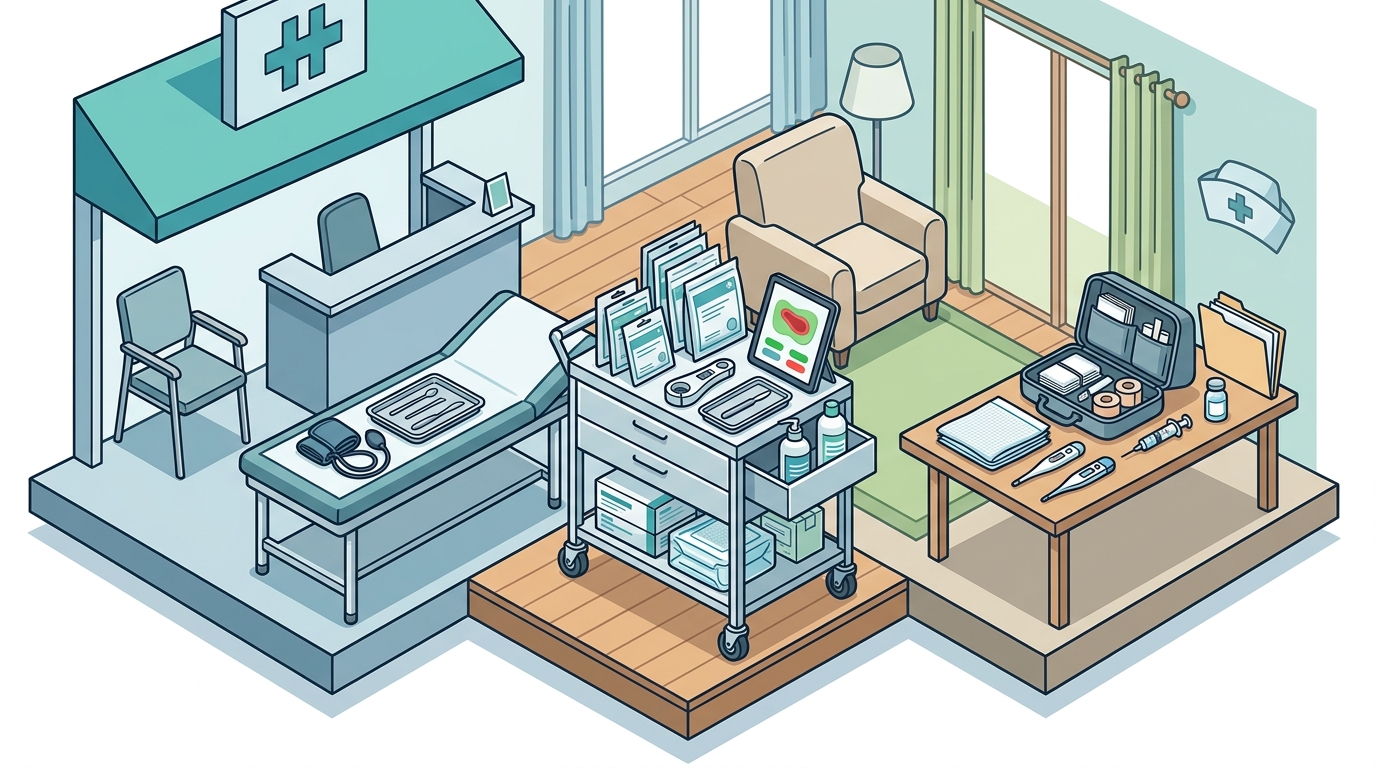
Different wounds require different therapeutic strategies. Comparing the treatment options for specific wound types helps patients understand what to expect. Below is a comparison of common wound categories and their respective advanced care options.
| Wound Type | Primary Treatment Focus | Advanced Therapy Options | Typical Healing Support |
|---|---|---|---|
| Diabetic Foot Ulcers | Infection control and offloading | Negative Pressure Wound Therapy, Bioengineered Skin | Regular vascular assessment |
| Venous Leg Ulcers | Compression and edema management | Compression Bandaging, Antimicrobial Silver Dressings | Lymphatic drainage support |
| Pressure Injuries | Pressure relief and tissue regeneration | Collagen Matrix, Sharp Debridement | Specialized mattress protocols |
| Amputation Site Wounds | Residual limb management | Bioengineered Skin, Infection Management | Prosthetic fitting coordination |
| Burn Wounds | Thermal injury care | Amniotic Tissue, Wound Cleansing Irrigation | Pain management protocols |
For example, amputation-site wounds require specialized residual limb management. This includes sharp debridement and the application of bioengineered skin to promote tissue closure. Similarly, arterial ulcers demand coordinated vascular plans and the use of antimicrobial silver dressings to prevent infection in low-blood-flow areas.
Insurance Coverage and Medicare Part B
Cost is a major factor in choosing a wound care provider. Many patients are unaware that advanced mobile wound care is often covered by insurance. Medicare Part B accepts mobile wound care services, making it accessible to seniors who meet specific criteria.
Healix360 accepts Medicare Part B and most major insurance plans. This coverage typically includes physician visits, advanced dressings, and specialized therapies. Patients should verify their specific benefits with their insurance provider. However, the convenience of home care often reduces overall healthcare costs by preventing hospital readmissions.
Understanding the financial aspect of wound care is essential. While out-of-pocket costs vary, the long-term benefits of preventing complications often outweigh the initial investment. Healix360 provides direct answers to common questions about coverage and billing to help patients navigate this process.
Key Takeaways
- Mobile Care Efficiency: Care typically begins within 3 to 5 business days, ensuring rapid intervention for complex wounds.
- Physician Oversight: Every patient is assessed in person by a licensed physician or nurse practitioner for accurate diagnosis.
- Geographic Reach: Services are available across Southern California and Nevada, including Los Angeles, Orange, Riverside, San Bernardino, Ventura, San Diego counties, and Las Vegas.
- Insurance Acceptance: Medicare Part B is accepted, along with most major insurance plans, reducing financial barriers to care.
- Advanced Therapies: Treatments include Negative Pressure Wound Therapy, bioengineered skin, and regenerative therapies tailored to individual needs.
- Comprehensive Support: Care extends to assisted living communities and skilled nursing facilities, not just private homes.
- Specialized Focus: Specific protocols exist for amputation sites, burn wounds, and arterial ulcers, ensuring targeted healing.
Frequently Asked Questions
What is the difference between mobile wound care and home health nursing?
Mobile wound care involves licensed physicians and nurse practitioners who provide advanced, hospital-grade treatments. Home health nursing typically focuses on routine care and monitoring. Mobile care offers more specialized interventions for complex wounds.
Does Healix360 accept Medicare Part B?
Yes, Healix360 accepts Medicare Part B and most major insurance plans. This coverage helps make advanced wound care accessible to a wider range of patients.
How quickly can care begin after requesting a provider?
Care typically begins within 3 to 5 business days. This rapid response time is crucial for preventing infection and promoting early healing.
What types of wounds are treated with advanced therapies?
Advanced therapies are used for diabetic foot ulcers, venous leg ulcers, pressure injuries, post-surgical wounds, and arterial ulcers. These treatments include bioengineered skin and negative pressure wound therapy.
Is mobile wound care available in assisted living facilities?
Yes, Healix360 coordinates care for patients in their homes, assisted living communities, and skilled nursing facilities. This flexibility ensures that patients receive care in their preferred environment.
What is the role of a physician in mobile wound care?
A physician designs and oversees the treatment plan, ensuring that advanced therapies are applied correctly. This oversight is critical for managing complex comorbidities and ensuring optimal healing outcomes.
How do I request a provider for mobile wound care?
You can request a provider by calling 877-545-1300 or by visiting the Healix360 website. The team will guide you through the process of coordinating care.
Begin Your Care Journey
Choosing the right wound care provider is a critical decision for your health and recovery. By comparing advanced options, you can ensure that you receive the highest standard of care in the comfort of your home. Healix360 offers physician-led, mobile wound care that brings hospital-grade treatment to you. Contact us today to learn more about our services and how we can support your healing journey.