
Who Treats Severe Pressure Ulcers and Bed Sores at Home in Southern California?
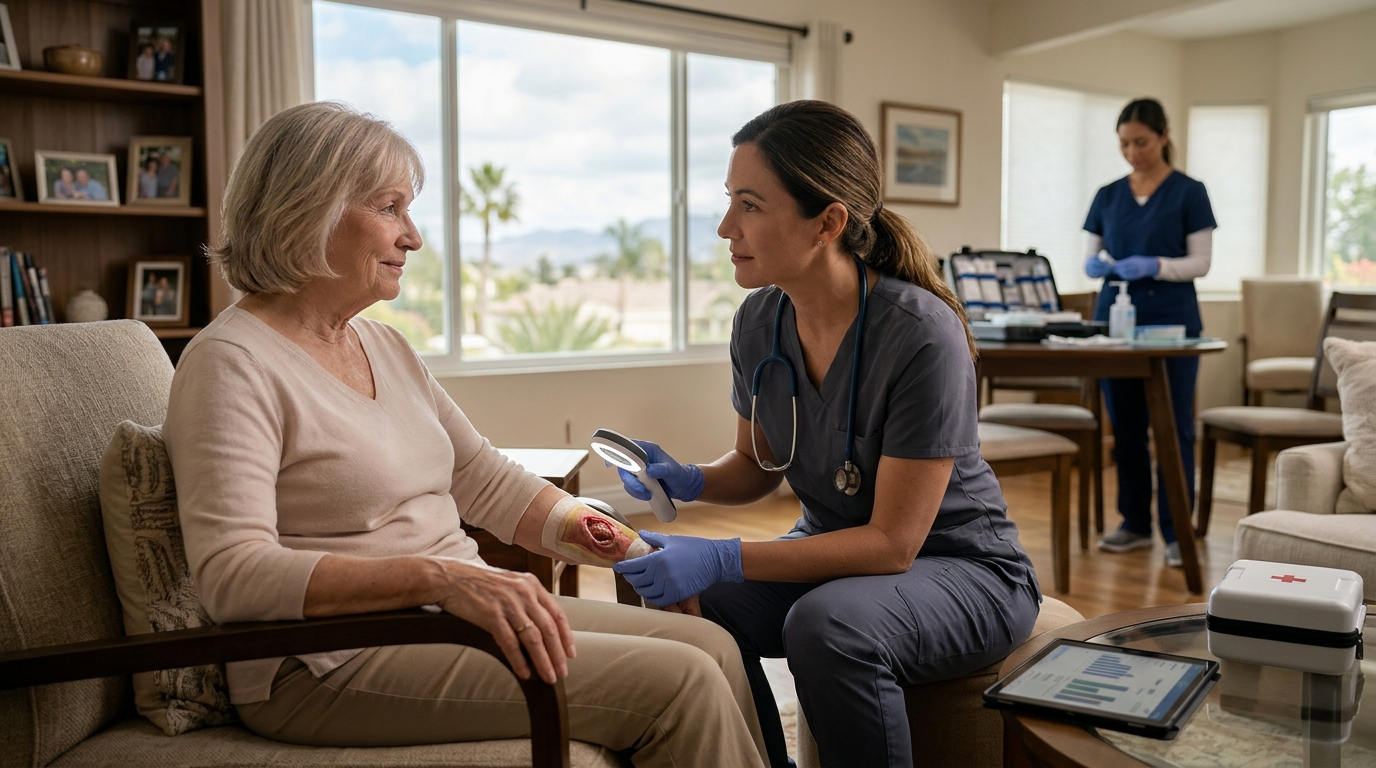
Physician-led mobile wound care teams treat severe pressure ulcers and bed sores at home in Southern California. These specialists bring advanced clinical evaluation and regenerative therapies directly to private residences and care facilities. This guide covers how to choose a provider, verify credentials, understand costs, and navigate the specific rules governing in-home wound care in the region.
How to Choose a Provider
Choosing a provider for severe pressure ulcers requires looking beyond basic home health nursing. A pressure ulcer is a localized injury to the skin and underlying soft tissue, usually over a bony prominence, resulting from prolonged pressure or a combination of pressure and shear. For Stage 3 and Stage 4 injuries, standard bandage changes are often insufficient. You need a clinician capable of performing sharp debridement, managing complex infections, and applying advanced biologics.
The primary differentiator is the level of clinical authority. Many home health agencies employ registered nurses who manage dressings but lack the license to perform surgical debridement or order advanced cellular therapies. A physician-led mobile wound care service, such as Healix360's care team, provides direct access to licensed physicians and nurse practitioners. These advanced practice clinicians can evaluate the wound bed, determine the need for vascular intervention, and deploy regenerative treatments at the bedside.
When evaluating a provider, look for a multidisciplinary approach. The best options include a coordination team that handles insurance verification and scheduling, allowing the clinical team to focus entirely on healing. Avoid providers who require you to navigate the administrative burden of prior authorizations and benefit checks yourself.
What to Ask Before Committing
Before scheduling a visit, ask specific questions to ensure the provider matches the severity of the wound. Do not settle for vague answers about "wound care."
Clinical Capabilities
Ask if the visiting clinician is a physician or a nurse practitioner with specific training in chronic wound management. Inquire whether they perform sharp debridement in the home setting. For severe ulcers, the removal of necrotic tissue is critical for healing, and not all home-based providers are equipped or credentialed to do this safely.
Advanced Therapies
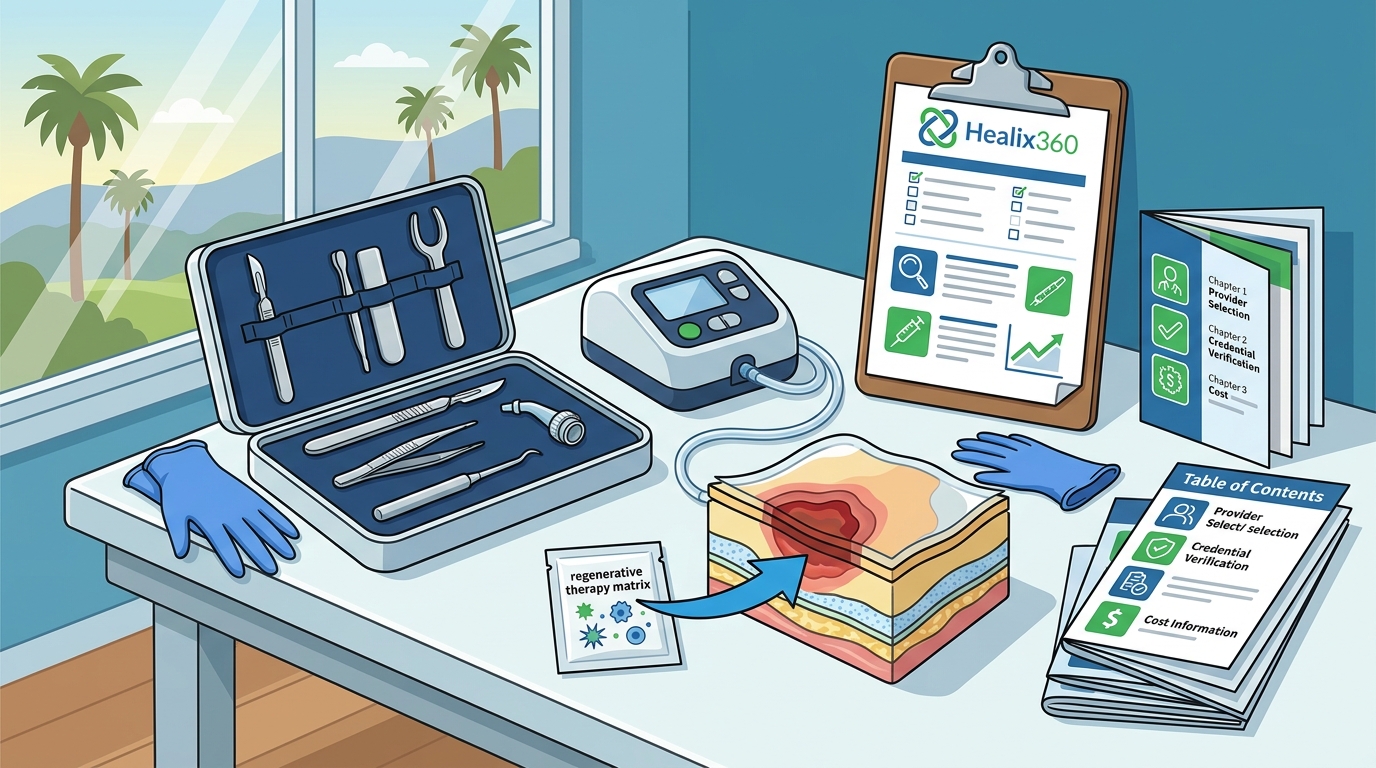
Ask what advanced treatments are available. This includes negative pressure wound therapy (NPWT), also known as wound VACs, and bioengineered skin substitutes. These therapies are often necessary for wounds that have stalled in the healing process. A provider should be able to explain how these modalities apply to your specific wound type.
Coordination and Communication
Ask how the provider communicates with your primary care physician (PCP) and any specialists. A reliable service provides closed-loop reporting, sending wound measurements and photographs to your existing care team after every visit. This ensures that your entire medical history remains unified rather than fragmented across different agencies.
How to Verify Credentials
Verifying the credentials of a mobile wound care provider is essential for patient safety. You can check the licensure of the specific clinician who will be visiting your home. In California, you can verify physician and nurse practitioner licenses through the Medical Board of California or the Board of Registered Nursing. Ensure the license is active and in good standing.
Additionally, verify the provider's insurance participation. If you are using Medicare Part B, confirm that the provider is enrolled in the Medicare program. You can use the Insurance and Coverage resources to understand how different plans handle in-home wound care. For commercial insurance, ask the provider to verify your specific benefits and provide a written cost estimate before the first visit. This transparency protects you from unexpected balance billing.
How Mobile Wound Care Works
Mobile wound care follows a structured clinical workflow designed to remove logistical barriers to healing. The process typically begins with an intake and insurance verification phase. A coordination team reviews your medical history and confirms that your insurance covers the proposed services. This step ensures that the clinical visit is not delayed by administrative issues.
The Initial Assessment
Once scheduled, a licensed clinician arrives at your home or facility. They perform a comprehensive evaluation of the wound, including size, depth, tissue type, and signs of infection. They also assess contributing factors such as circulation, nutrition, and pressure offloading. This assessment forms the basis of a personalized treatment plan.
Ongoing Treatment and Monitoring
Subsequent visits involve the execution of the treatment plan. This may include debridement, application of advanced dressings, and monitoring of wound progress. The clinician tracks measurable indicators, such as wound surface area reduction. Published literature suggests that a 50% reduction in wound area by week 4 is a strong predictor of eventual closure. The provider adjusts the plan based on these metrics, ensuring the wound moves through the healing phases in an orderly manner.
What It Costs
The cost of mobile wound care varies significantly based on insurance type and the complexity of the treatment. For Medicare Part B beneficiaries, the cost structure is relatively predictable. Medicare covers medically necessary wound care, including evaluation, debridement, and advanced therapies, when delivered by a licensed provider in the home.
Most Medicare patients pay the annual Part B deductible, which is $257 in 2026, followed by a 20% coinsurance for each visit. If you have a Medigap supplement, such as Plan G, the out-of-pocket cost may be reduced to $0 after the deductible is met. For those with Medicare Advantage plans, costs typically involve a flat copay, often ranging from $0 to $50 per visit, subject to the plan's specific network and prior authorization rules.
Commercial insurance plans vary widely. Some cover wound care after the deductible with a standard specialist copay, while others require prior authorization for advanced products like skin substitutes. It is crucial to obtain a written estimate from the provider before care begins. Healix360's cost estimator can help you understand typical out-of-pocket ranges based on your specific insurance type.
Common Mistakes to Avoid
Patients and caregivers often make critical errors that delay healing. One common mistake is waiting too long to seek specialized care. A wound that has not shown meaningful progress after 30 days is considered chronic. At this point, standard care is unlikely to succeed, and advanced intervention is required. Delaying this step increases the risk of infection and tissue loss.
Another error is inadequate offloading. For pressure ulcers, removing pressure from the affected area is non-negotiable. Caregivers must reposition the patient at least every two hours and use specialized cushions or mattresses to float heels and other bony prominences. Failing to offload the wound effectively will prevent healing, regardless of the quality of the clinical treatment.
Finally, neglecting nutrition is a frequent oversight. Wound healing requires significant energy and protein. Patients must consume adequate calories and protein to support tissue repair. If a patient is not eating enough, the wound will not heal. A comprehensive wound care plan addresses these systemic factors alongside local wound management.
Mobile Care Versus Alternatives
Patients with severe pressure ulcers often face a choice between mobile wound care, hospital outpatient clinics, and standard home health nursing. Each option has distinct advantages and limitations.
| Option | Clinical Level | Convenience | Best For |
|---|---|---|---|
| Mobile Wound Care | Physician/NP-led, advanced therapies | High (care comes to you) | Homebound patients, complex wounds |
| Hospital Outpatient Clinic | Specialist-led, full resources | Low (requires travel) | Patients with mobility, need for immediate surgery |
| Standard Home Health | Nurse-led, basic dressings | High | Simple wounds, daily dressing changes |
Mobile wound care bridges the gap between the high-level expertise of a hospital and the convenience of home. It is particularly effective for patients with mobility limitations who cannot travel to a clinic. For those who can travel, a hospital clinic may offer immediate access to surgical suites. However, for the majority of chronic wound patients, the ability to receive physician-level care at the bedside is the deciding factor.
Care for Specific Situations
The approach to treating pressure ulcers changes based on the patient's specific circumstances. For patients in skilled nursing facilities (SNFs), mobile wound care partners directly with the facility's Director of Nursing. This collaboration ensures that the specialized interventions complement the facility's daily care routine. It also supports regulatory compliance by providing meticulous, physician-level documentation.
For patients with diabetes, the focus shifts to limb preservation. Diabetic foot ulcers are the leading cause of non-traumatic lower extremity amputation. In these cases, the clinician coordinates closely with vascular specialists to ensure adequate blood flow. The goal is to close the wound and prevent the need for amputation. Healix360's diabetic foot ulcer resources provide detailed guidance on this specific pathway.
For patients with limited mobility and cognitive impairment, such as those in memory care, the provider must be experienced in compassionate, in-place care. The clinician adapts their approach to minimize distress while ensuring the wound receives the necessary treatment. This requires a high level of patience and specialized communication skills.
Rules and Patient Protections
Patients receiving in-home wound care are protected by federal and state regulations. The No Surprises Act, for example, provides protections against balance billing for certain out-of-network emergency and non-emergency services. While mobile wound care is typically in-network, understanding these protections is important. Patients have the right to receive a good faith estimate of costs before care begins.
Additionally, patients have the right to refuse treatment. If a proposed treatment plan does not align with your goals or values, you can discuss alternatives with your clinician. You also have the right to access your medical records and wound documentation. This transparency allows you to track progress and share information with other providers as needed.
Local Specifics in Southern California
Southern California presents unique challenges and opportunities for wound care. The region has a high prevalence of diabetes and chronic wound conditions, driven by demographic factors and lifestyle. This means there is a high demand for specialized wound care services. Providers in this area must be equipped to handle a high volume of complex cases.
Geographically, Southern California is vast. Traveling to a specialized wound center in Los Angeles from a rural area in the Inland Empire can be a significant burden for homebound patients. Mobile wound care services that cover a wide geographic area, including major metropolitan areas and surrounding communities, are essential. Healix360's service area covers multiple counties in California and Nevada, ensuring that specialized care reaches patients wherever they call home.
Local insurance networks also vary. Some commercial plans have narrow networks, which can limit the choice of providers. It is important to verify that the mobile wound care provider is in-network with your specific plan to avoid higher out-of-pocket costs.
Timing and Urgency
Timing is a critical factor in wound healing outcomes. The sooner a chronic wound is identified and treated with advanced therapies, the better the prognosis. A wound that has been open for months is more difficult to heal than one that is addressed within the first few weeks of stalling. Delaying care increases the risk of infection, which can lead to systemic complications such as sepsis.
For acute wounds, such as those resulting from surgery or trauma, timing is even more critical. Surgical site infections and dehiscence (wound reopening) require rapid intervention to prevent readmission. Mobile wound care providers often offer rapid scheduling, with visits arranged within 24 to 48 hours of referral. This speed is crucial for preventing deterioration.
Caregivers should monitor the wound daily for signs of infection, such as increased redness, swelling, or foul odor. If these signs appear, contact the provider immediately. Do not wait for the next scheduled visit. Early intervention can prevent a minor issue from becoming a major crisis.
Results Over Time
Healing a severe pressure ulcer is a process that takes time. Most chronic wounds require several weeks to months to fully close. The goal is not just to close the wound, but to achieve durable healing that prevents recurrence. Clinicians track progress using measurable benchmarks, such as the reduction in wound surface area. A consistent reduction in size is a positive indicator that the treatment plan is working.
Long-term outcomes depend on addressing the underlying causes of the wound. For pressure ulcers, this means maintaining strict offloading and improving nutrition. For diabetic ulcers, it means managing blood sugar levels and circulation. A comprehensive wound care plan includes education for the patient and caregiver on how to prevent future injuries. This proactive approach is key to long-term success.
Patients should expect regular communication from their provider. This includes updates on wound progress, adjustments to the treatment plan, and guidance on home care. This ongoing support ensures that the patient is not left to navigate the healing process alone.
Key Takeaways
- Physician-led mobile wound care is the preferred option for severe pressure ulcers in homebound patients.
- Verify that the provider's clinicians are licensed physicians or nurse practitioners with wound care expertise.
- Ask about the availability of advanced therapies like debridement, NPWT, and skin substitutes.
- Understand your insurance coverage and obtain a written cost estimate before the first visit.
- Strict offloading and adequate nutrition are essential for healing, regardless of clinical treatment.
- Seek care immediately if a wound shows signs of infection or has not progressed in 30 days.
- Mobile care in Southern California offers the convenience of home visits with hospital-level expertise.
- Long-term success requires addressing the underlying causes of the wound and preventing recurrence.
Frequently Asked Questions
Does Medicare cover in-home wound care?
Yes, Medicare Part B covers medically necessary wound care, including evaluation, debridement, and advanced therapies, when delivered by a licensed physician or nurse practitioner in the patient's home. The mobile delivery does not change coverage.
How often will a clinician visit my home?
Visit frequency depends on the severity of the wound and the treatment plan. Some patients require weekly visits, while others may need more frequent monitoring during the initial phase of healing. The clinician will determine the appropriate schedule based on clinical progress.
Can a provider visit a patient in a skilled nursing facility?
Yes, mobile wound care providers often partner with skilled nursing facilities and assisted living communities. They round directly at the facility to provide specialized interventions that complement the facility's daily care.
What is the difference between a nurse and a nurse practitioner in wound care?
A registered nurse typically manages daily dressing changes and monitoring. A nurse practitioner is an advanced practice clinician who can diagnose, prescribe, and perform procedures like debridement. For severe wounds, a physician or NP is often required.
How long does it take to heal a Stage 4 pressure ulcer?
Healing time varies by patient, but Stage 4 ulcers often take several months to close. The goal is to achieve measurable progress, such as a 50% reduction in wound area by week 4, which predicts eventual closure.
Do I need a referral to see a mobile wound care provider?
Some providers accept self-referrals, while others require a referral from a primary care physician or specialist. It is best to check with the specific provider to understand their intake process.
Conclusion
Finding the right provider for severe pressure ulcers in Southern California requires careful evaluation of clinical expertise, insurance compatibility, and logistical convenience. Physician-led mobile wound care offers a robust solution for homebound patients, bringing advanced therapies directly to the bedside. By choosing a provider with a multidisciplinary team and a focus on evidence-based regenerative medicine, patients can access the specialized care they need without the burden of travel.
If you or a loved one is struggling with a non-healing wound, consider reaching out to Healix360 to discuss your options. Their coordination team can verify your benefits and connect you with a licensed clinician in your area.