

Yes, mobile wound care in Southern California is widely accepted by Medicare Part B and major commercial insurance plans. Healix360 coordinates physician-led home visits that align with standard insurance billing structures. Coverage depends on medical necessity, specific plan benefits, and individual clinical evaluation rather than the location of the visit.
Medicare Part B and Outpatient Wound Services
Medicare Part B is the primary federal insurance component covering outpatient services, including physician visits and wound care. It is a benefit that pays for medically necessary services provided by doctors and other healthcare professionals. When a licensed physician or nurse practitioner performs a wound evaluation at a patient's home, the service is typically billed under the same outpatient physician fee schedule as a clinic visit.
The location of the care does not automatically change the coverage status. Medicare recognizes that home-based outpatient services can be appropriate for patients with mobility limitations. For example, a patient in Los Angeles with a diabetic foot ulcer who cannot travel to a hospital wound center may receive the same clinical assessment at home. The key requirement is that the service is deemed medically necessary by the treating clinician. Patients should verify their specific Part B deductible and coinsurance responsibilities, as these apply to outpatient wound care visits.
Commercial Insurance and Major Payers
Major commercial insurance plans, including those from large national carriers, generally accept mobile wound care when the provider is in-network. These plans are contracts between employers or individuals and insurance companies that define covered benefits. Most standard health plans include outpatient physician services, which encompass wound care evaluations and treatments performed in a home setting.
However, network status is critical. If a mobile wound care provider is out-of-network, the patient may face higher out-of-pocket costs or no coverage at all. Healix360 works to verify benefits and network participation before scheduling visits. For instance, a patient in San Diego with a venous leg ulcer should confirm whether their specific plan covers home health or outpatient physician services in the home. Insurance verification is a standard part of the intake process to ensure transparency regarding potential costs.
Medicare Advantage and Plan Variations
Medicare Advantage, also known as Part C, is a private insurance alternative to traditional Medicare that bundles hospital and medical coverage. It is a plan type that often includes additional benefits but may have different rules for out-of-network care. Many Medicare Advantage plans require patients to use in-network providers for outpatient services, including mobile wound care.
Patients enrolled in Medicare Advantage must check their specific plan documents to understand network requirements. Some plans may cover home-based wound care only if the provider is part of their approved network. For example, a resident in Orange County should verify if their Medicare Advantage plan includes mobile wound care specialists in their provider directory. Healix360 assists patients in navigating these plan-specific rules to avoid unexpected denials.
The Billing and Verification Process
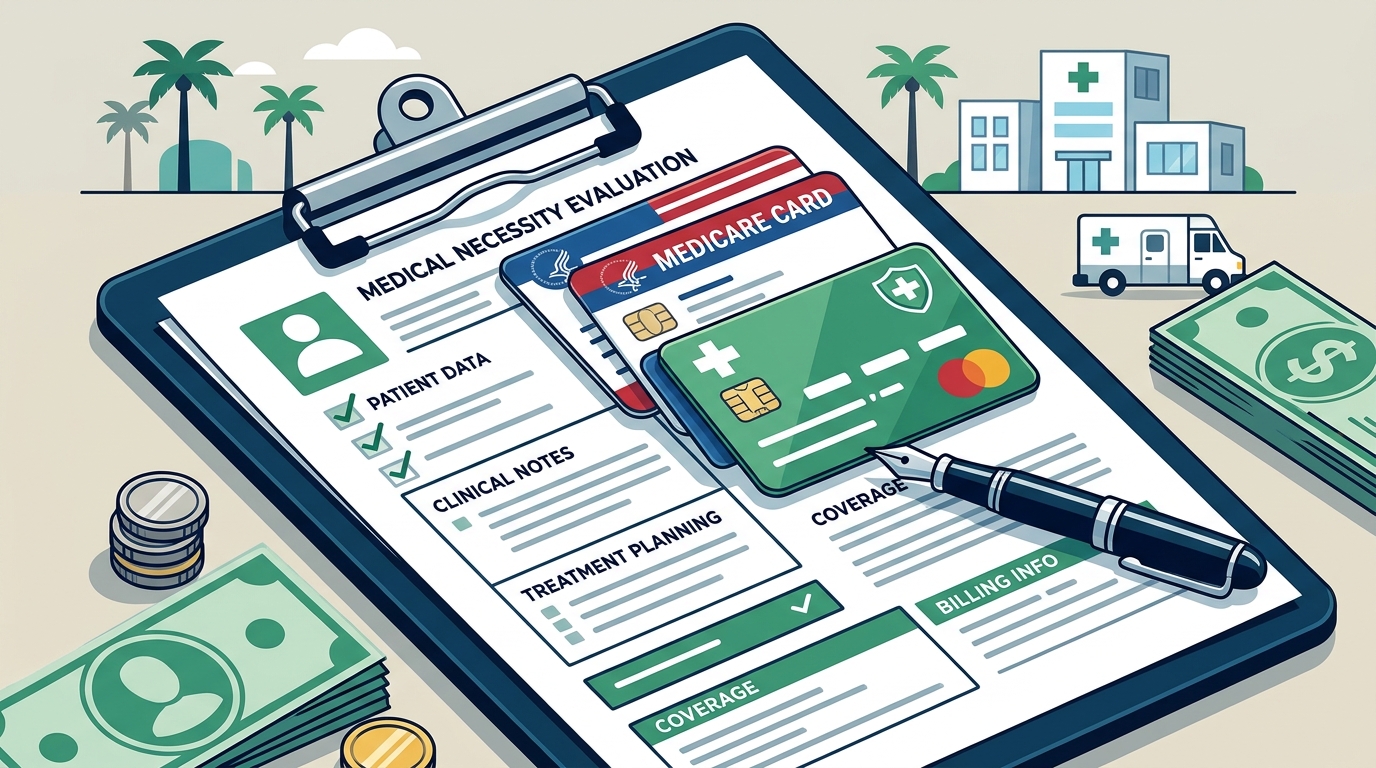
Insurance billing for mobile wound care follows a structured process that ensures compliance with payer rules. This process is a series of administrative steps that verify eligibility, confirm medical necessity, and submit claims for payment. It begins with a pre-visit insurance verification where the coordination team checks the patient's active benefits and network status.
During the clinical visit, the provider documents the medical necessity of the service, including the wound type, severity, and treatment plan. This documentation is essential for claim approval. For example, a clinician treating a pressure ulcer in a skilled nursing facility will document the staging of the wound and the specific interventions performed. Healix360 handles the administrative coordination, allowing clinicians to focus on patient care while ensuring claims are submitted accurately.
Patient Responsibilities and Cost Transparency
Transparency is key to avoiding financial surprises. Patients should request an estimate of out-of-pocket costs before the first visit. For example, a patient in Riverside with a post-surgical wound should ask about the estimated coinsurance for a series of home visits. Healix360 provides clear communication about potential costs, ensuring patients can make informed decisions about their care.
Key Takeaways
- Medicare Part B covers outpatient wound care services, including those provided in the home, when medically necessary.
- Major commercial insurance plans often accept mobile wound care, but network status and specific plan benefits determine coverage.
- Medicare Advantage plans may have stricter network requirements for home-based outpatient services.
- Insurance verification is a critical step before scheduling to confirm benefits and network participation.
- Patients are responsible for cost-sharing obligations such as deductibles and coinsurance, which vary by plan.
- Accurate clinical documentation of medical necessity is essential for claim approval.
- Healix360 coordinates insurance verification and billing to streamline the process for patients and providers.
Frequently Asked Questions
Does Medicare cover wound care at home?
Yes, Medicare Part B covers outpatient wound care services provided by licensed physicians or nurse practitioners in the home when deemed medically necessary. The coverage is based on the service type, not the location. according to LCD Wound Care
Will my commercial insurance accept mobile wound care?
Most major commercial plans accept mobile wound care if the provider is in-network. Patients should verify their specific plan benefits and network participation before scheduling.
What is the difference between Medicare Part B and Part C for wound care?
Part B is traditional Medicare outpatient coverage, while Part C (Medicare Advantage) is a private plan alternative. Part C plans may have different network rules and coverage requirements for home-based services.
How does Healix360 handle insurance verification?
Healix360 verifies patient benefits and network status before scheduling visits. This ensures that the care is covered and that patients are aware of any potential out-of-pocket costs.
Are advanced wound treatments covered by insurance?
Coverage for advanced treatments like skin substitutes or biologics depends on the specific plan and medical necessity. Patients should confirm coverage for these specific items with their insurance provider.
What should I have ready for an insurance verification call?
Have your insurance card, member ID, and a list of current medications ready. This information helps the coordination team verify your benefits and network status efficiently.
Next Steps for Patients
Understanding insurance coverage is the first step in accessing specialized wound care. Healix360 is ready to help you navigate the complexities of Medicare and commercial insurance for mobile wound care in Southern California. Our team handles the verification process, ensuring you receive the care you need with clear cost expectations. To begin, contact our coordination team to verify your benefits and schedule an assessment.