
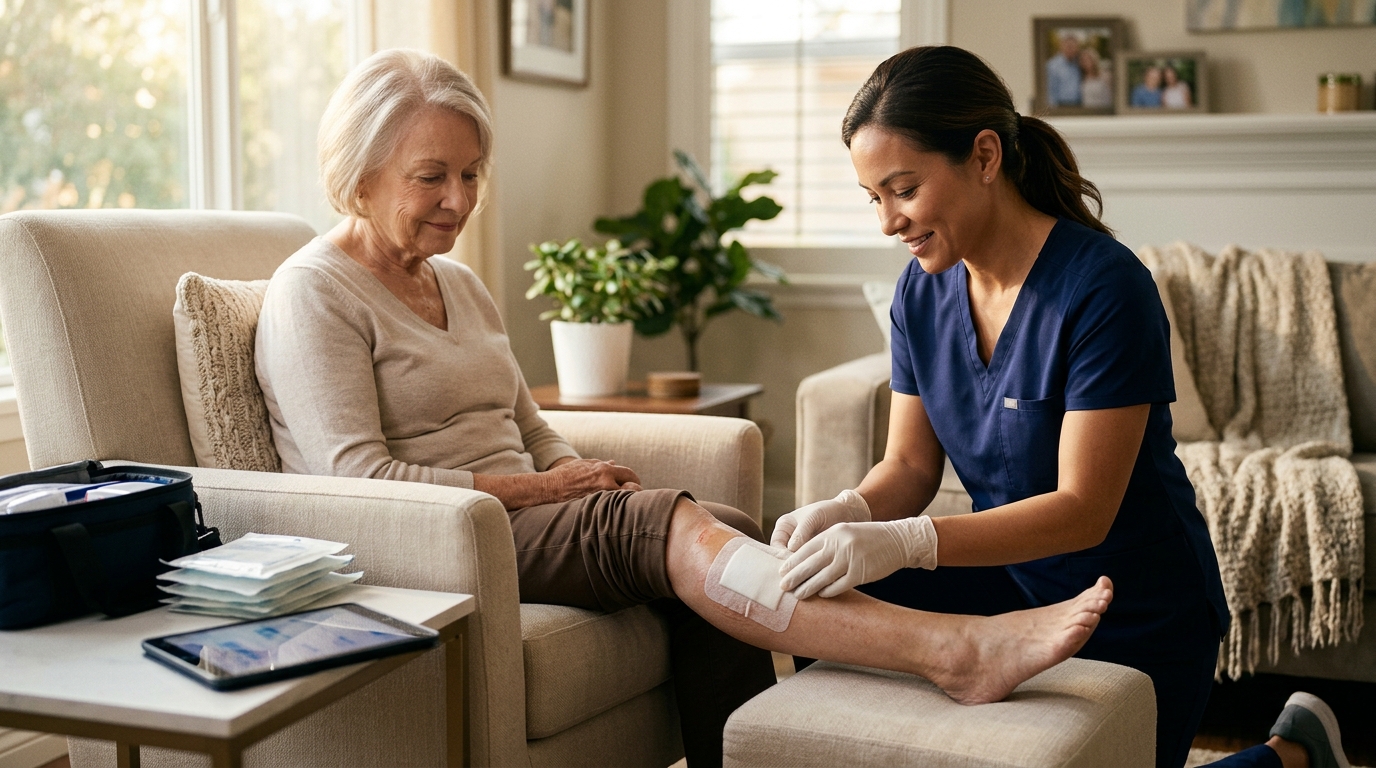
Chronic wounds affect millions of Americans annually, yet traditional clinic visits often create barriers for those with mobility issues or complex medical needs. According to the Centers for Disease Control and Prevention, approximately 8.2 million people in the United States have chronic wounds that require ongoing medical attention. This statistic highlights the critical need for accessible, high-quality care that does not force patients to travel while vulnerable. In-home wound care has emerged as a vital solution, bridging the gap between hospital-grade treatment and patient comfort. This guide details the precise steps to access these services, particularly within Southern California and Nevada, ensuring you understand the process from initial inquiry to ongoing treatment. (About Healix360 Mobile Wound)
Understanding Mobile Wound Care
Mobile wound care represents a significant shift in how chronic conditions are managed. Instead of requiring patients to navigate complex healthcare facilities, licensed medical professionals bring hospital-grade treatment directly to the patient's location. This model is particularly effective for individuals residing in assisted living communities, skilled nursing facilities, or private homes.
Mobile wound care is a coordinated healthcare service where licensed physicians and nurse practitioners deliver advanced treatment plans at the patient's residence or care facility. This approach reduces the risk of infection associated with travel and ensures continuity of care. The service is designed to handle complex cases that traditional primary care providers may not have the specialized equipment or time to manage effectively.
The scope of mobile wound care extends beyond simple dressing changes. Clinicians assess the wound bed, manage infection, and implement advanced therapies such as negative pressure wound therapy or bioengineered skin grafts. This comprehensive approach addresses the root causes of non-healing wounds, including poor circulation, diabetes, and pressure injuries. By bringing care to the patient, the system reduces hospital readmissions and improves overall patient outcomes.
Eligibility and Insurance Coverage
One of the primary concerns for patients seeking in-home care is eligibility. Understanding who qualifies for these services is the first step in the access process. Generally, patients must have a diagnosed chronic wound that requires ongoing professional management. These wounds often include diabetic foot ulcers, venous leg ulcers, pressure injuries, and post-surgical complications.
Medicare Part B is a critical component of accessibility for many patients. Medicare Part B is the component of federal health insurance that covers outpatient services, including physician visits and durable medical equipment. For wound care, this often includes the cost of physician assessments and certain advanced dressings. However, coverage details can vary based on the specific type of wound and the medical necessity determined by the provider.
Most major insurance plans also accept mobile wound care services, but prior authorization may be required. It is essential to verify coverage before beginning treatment. Providers typically assist with this verification process to ensure there are no unexpected financial burdens for the patient. Understanding your insurance benefits early in the process helps streamline the care journey and allows the medical team to focus on healing rather than administrative hurdles.
How to Access Care via Healix360
Healix360 operates as a coordination service that connects patients with independent licensed physicians and nurse practitioners. This model ensures that patients receive personalized attention from qualified professionals who specialize in advanced wound healing. The coordination aspect is vital, as it manages the logistics of scheduling, provider assignment, and insurance verification.
To begin the process, patients or their caregivers can contact Healix360 directly. The initial step involves a consultation to assess the patient's medical history and current wound status. This assessment determines the appropriate level of care and the specific specialists required. The service is available across Southern California and Nevada, covering major counties including Los Angeles, Orange, Riverside, San Bernardino, Ventura, and San Diego, as well as Las Vegas.
Once the initial assessment is complete, care typically begins within three to five business days. This rapid response time is crucial for preventing wound deterioration and reducing the risk of severe complications such as amputation. The provider will visit the patient's location to perform the initial evaluation and establish a treatment plan. This plan is overseen by the physician and may include surgical debridement, advanced biologics, and compression therapy.
For more information on the specific approaches used in wound healing, you can explore our physician-led approach to understand how treatment plans are customized for each patient. Additionally, understanding the types of wounds treated is essential. Amputation-site wounds require specialized residual limb management to prevent further tissue damage. Similarly, arterial ulcers demand coordinated vascular care to improve blood flow and promote healing.
What Happens During a Visit
During an in-home visit, the licensed clinician performs a comprehensive assessment of the wound and the surrounding tissue. This evaluation includes checking for signs of infection, assessing blood flow, and reviewing the patient's overall health status. The clinician then performs necessary procedures, which may include sharp debridement to remove dead tissue and application of advanced dressings.
Advanced treatments often utilized in mobile wound care include negative pressure wound therapy and bioengineered skin. Negative pressure wound therapy is a treatment method that uses a vacuum dressing to promote healing and increase blood flow to the wound bed. Bioengineered skin is a specialized graft material derived from living cells that helps regenerate tissue in chronic wounds. These treatments are typically reserved for complex cases that have not responded to standard care.
The clinician also provides education to the patient and their caregivers on wound care maintenance. This includes instructions on how to monitor the wound, recognize signs of infection, and manage daily activities to protect the healing site. Ongoing communication between the patient, family, and the medical team ensures that the treatment plan is adjusted as needed. For detailed answers to common patient questions, refer to the Wound Care Answers Hub.
Insurance and Payment Options
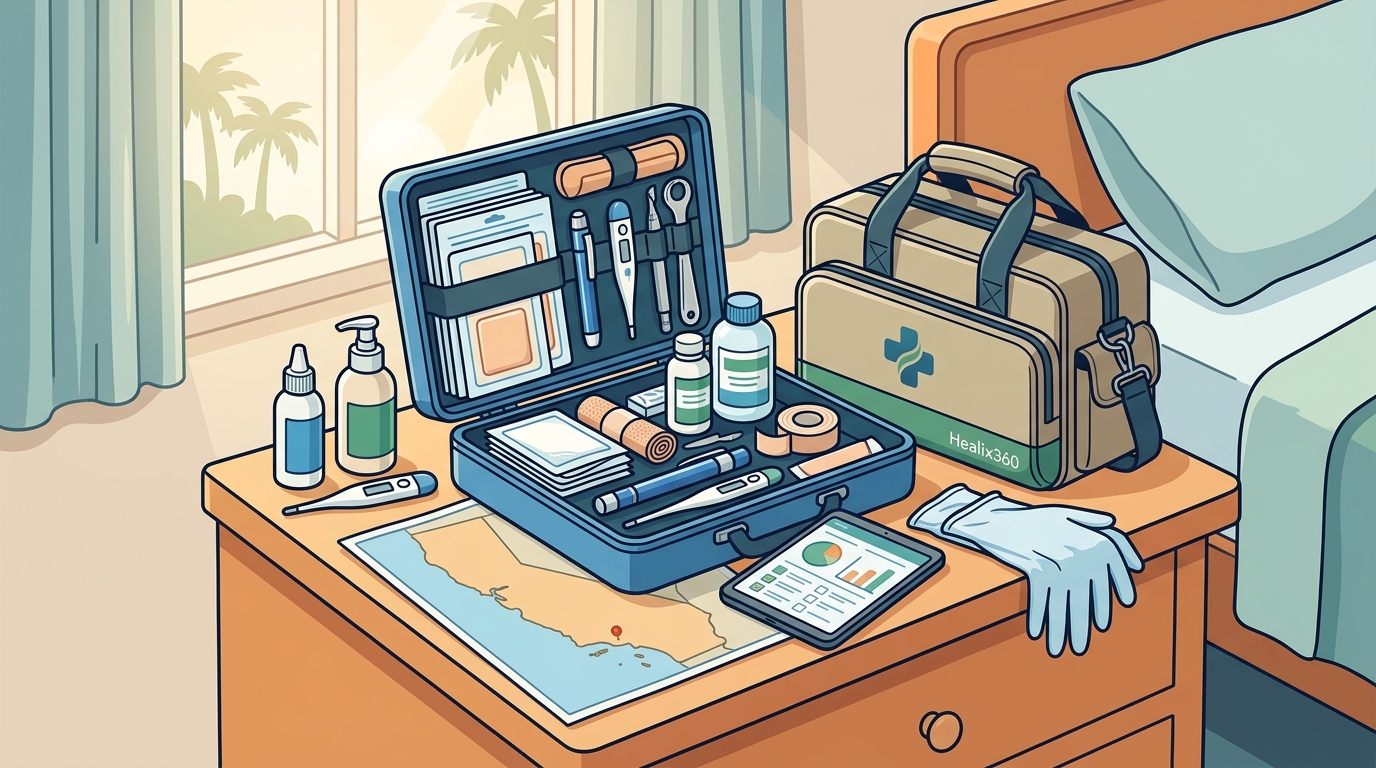
Understanding the financial aspect of in-home wound care is essential for planning. Healix360 accepts Medicare Part B and most major insurance plans. This acceptance significantly reduces the out-of-pocket costs for eligible patients. However, it is important to note that specific coverage limits and co-pays may apply based on the individual's policy.
For patients without insurance or those with high deductibles, it is advisable to discuss payment options during the initial consultation. Some providers may offer self-pay packages or sliding scale fees based on income. Transparency in billing is a priority, ensuring that patients understand what is covered and what is not before treatment begins.
Comparing different wound care options can help patients make informed decisions. The table below summarizes the key differences between traditional clinic visits and mobile in-home care.
| Feature | Traditional Clinic Visit | Mobile In-Home Care |
|---|---|---|
| Location | Medical Office or Hospital | Patient's Home or Facility |
| Travel Required | Yes, often difficult for chronic patients | No, provider comes to you |
| Specialized Treatments | Limited by clinic equipment | Full range including NPWT and biologics |
| Insurance Acceptance | Standard | Medicare Part B and Major Plans |
| Response Time | Varies by appointment availability | Often within 3-5 business days |
Key Takeaways
- In-home wound care eliminates travel barriers for patients with chronic conditions, improving access to specialized treatment.
- Medicare Part B coverage is available for eligible patients, reducing financial burden for physician-led visits.
- Healix360 coordinates care across Southern California and Nevada, serving major counties and Las Vegas.
- Care typically begins within three to five business days after the initial request and assessment.
- Advanced treatments such as negative pressure wound therapy and bioengineered skin are delivered at the patient's location.
- Physician-led assessments ensure that treatment plans are customized to the specific type and stage of the wound.
- Early intervention through mobile care can prevent severe complications, including amputation and hospitalization.
Frequently Asked Questions
Who qualifies for in-home wound care?
Patients with chronic wounds such as diabetic foot ulcers, venous leg ulcers, pressure injuries, and post-surgical wounds qualify for in-home care. The patient must be homebound or reside in a skilled nursing or assisted living facility.
Does insurance cover mobile wound care?
Yes, most major insurance plans and Medicare Part B cover mobile wound care services. Coverage details depend on the specific policy and medical necessity determined by the provider.
How quickly can care begin?
Care typically begins within three to five business days after the initial request. This rapid response helps prevent wound deterioration and reduces the risk of complications.
What types of wounds are treated?
Providers treat a wide range of wounds, including amputation-site wounds, arterial ulcers, burn wounds, and diabetic foot ulcers. Each case requires a specialized treatment plan.
Is the care physician-led?
Yes, every patient is assessed in person by a licensed physician or nurse practitioner who designs and oversees the treatment plan. This ensures high-quality, hospital-grade care.
What areas are served?
Healix360 serves Southern California counties including Los Angeles, Orange, Riverside, San Bernardino, Ventura, and San Diego, as well as Las Vegas, Nevada.
What advanced treatments are available?
Available treatments include negative pressure wound therapy, sharp debridement, bioengineered skin, antimicrobial silver dressings, and compression therapy. These are delivered directly to the patient.
How do I request a provider?
You can request a provider by calling the dedicated line or submitting a request through the website. The team will assist with insurance verification and scheduling.
Contact for Care
Accessing advanced wound care should not be complicated by logistics or travel. By choosing in-home services, patients receive hospital-grade treatment in the comfort of their own environment. Healix360 is dedicated to coordinating this care efficiently and compassionately. To begin your journey toward healing, contact the team today to request a provider or learn more about our services.