
How to Access Physician-Led Wound Care Services for Your Facility in Southern California
Facility administrators in Southern California face a critical challenge in managing complex chronic wounds. Diabetic foot ulcers and venous leg ulcers are the primary drivers of hospital readmissions for elderly patients in skilled nursing and assisted living communities. According to recent healthcare data, nearly 15% of Medicare beneficiaries experience a diabetic foot ulcer during their lifetime, creating a massive demand for specialized, on-site treatment. This statistic highlights the urgent need for mobile, physician-led interventions that can prevent costly emergency room visits and prolonged hospital stays.
Understanding Mobile Wound Care Coordination
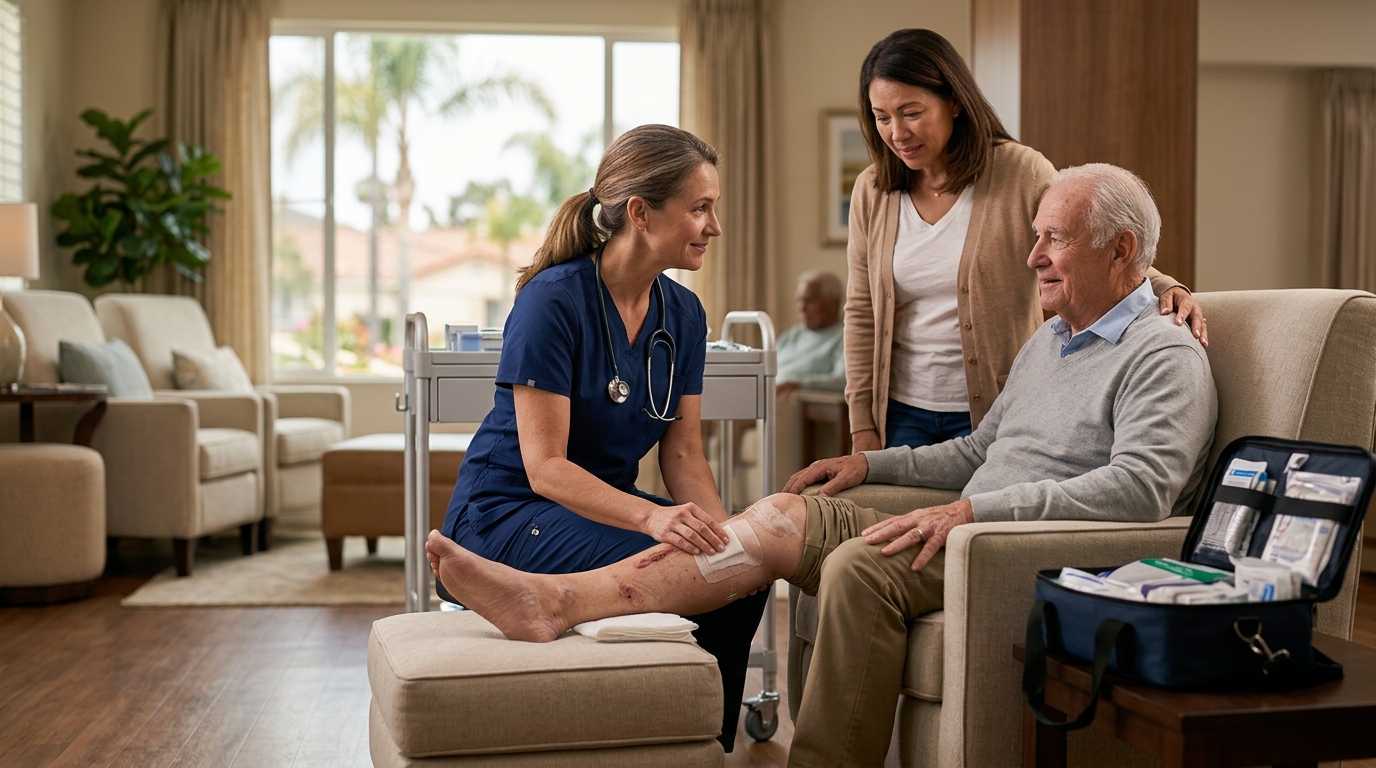
Mobile wound care is not merely a convenience; it is a clinical necessity for facilities managing patients with complex, non-healing wounds. Healix360 operates as a specialized coordination service that bridges the gap between your facility and independent, licensed physicians and nurse practitioners. This model ensures that hospital-grade treatment is delivered directly to the patient's location, whether that is a private room in an assisted living community or a bed in a skilled nursing facility.
The core of this service is the physician-led approach. Every patient is assessed in person by a licensed clinician who designs and oversees a comprehensive treatment plan. This plan may include surgical debridement, advanced biologics, regenerative therapies, compression, and offloading. By bringing the specialist to the patient, facilities avoid the logistical nightmares and clinical risks associated with transporting fragile patients to external clinics.
Healix360 serves Southern California and Nevada, covering major regions including Los Angeles, Orange, Riverside, San Bernardino, Ventura, and San Diego counties, as well as Las Vegas. This geographic coverage ensures that facilities across these densely populated areas have access to consistent, high-quality care coordination.
Identifying Your Facility's Specific Wound Care Needs
Not all wounds are created equal. Effective coordination begins with a clear understanding of the specific types of wounds your patients are presenting. Mobile wound care specialists are equipped to handle a wide spectrum of conditions, each requiring distinct clinical expertise.
Chronic Ulcers
Diabetic foot ulcers, venous leg ulcers, and arterial ulcers are the most common challenges in long-term care. These wounds often fail to heal due to underlying vascular issues or neuropathy. Specialized treatments such as negative pressure wound therapy, bioengineered skin, and antimicrobial silver dressings are critical for managing these conditions.
Post-Surgical and Amputation Site Wounds
Patients recovering from major surgeries or amputations require meticulous residual limb management. Sharp debridement and infection management are vital to prevent complications that could lead to further amputation or sepsis. The coordination service ensures that these specialized treatments are available without delay.
Burn and Trauma Injuries
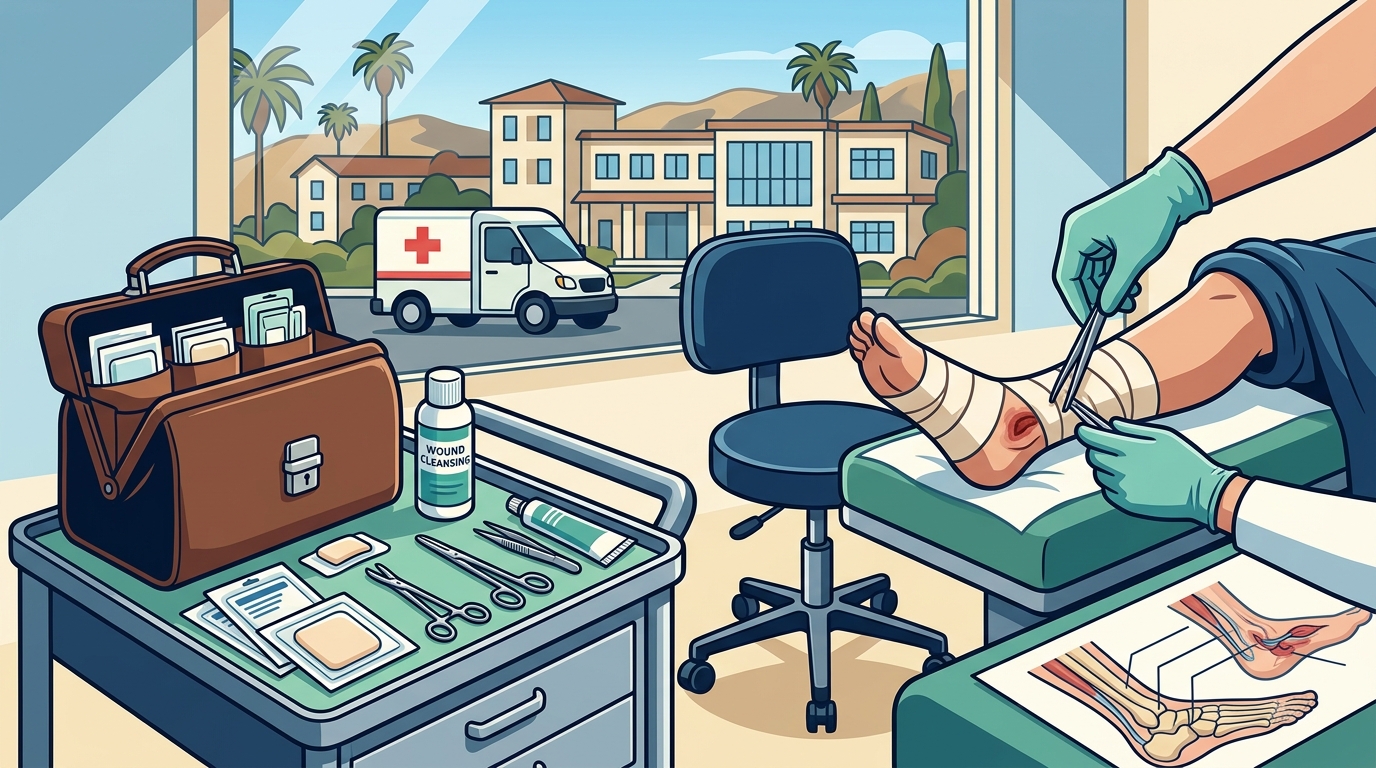
For moderate-to-severe thermal injuries, advanced tissue regeneration is often necessary. Treatments involving amniotic tissue and bioengineered skin help accelerate healing and reduce scarring. Facilities dealing with elderly patients at risk of falls or burns benefit significantly from having these advanced resources on-site.
The Coordination Process: From Request to Treatment
Accessing physician-led wound care through a coordination service is designed to be seamless and efficient. The process is structured to minimize administrative burden while maximizing clinical outcomes.
- Initial Request: Facility staff or family members initiate the process by contacting the coordination service. This can be done via phone or through an online request form. The goal is to begin care typically within 3 to 5 business days.
- Clinician Assignment: Once the request is received, the service matches the patient's specific wound type and location with an independent, licensed physician or nurse practitioner in the network. This ensures that the clinician has the appropriate expertise for the condition.
- In-Home Assessment: The assigned clinician visits the facility to perform a comprehensive in-person assessment. This includes evaluating the wound bed, reviewing medical history, and identifying any underlying infections or vascular issues.
- Treatment Plan Development: Based on the assessment, the clinician develops a personalized treatment plan. This may involve scheduling regular visits for debridement, applying advanced dressings, or prescribing offloading devices.
- Ongoing Management: The clinician continues to oversee the patient's progress, adjusting the treatment plan as needed until the wound is fully healed or stabilized. This continuous oversight is crucial for preventing relapse.
Navigating Insurance and Medicare Part B Coverage
One of the most significant barriers to accessing advanced wound care is the complexity of insurance coverage. Healix360 accepts Medicare Part B and most major insurance plans, which significantly reduces the financial burden on facilities and patients.
Medicare Part B covers medically necessary outpatient services, including physician visits and certain wound care supplies. For patients in skilled nursing facilities, the coordination of these services ensures that billing is handled correctly and that patients receive the full benefits of their coverage. Understanding these coverage details is essential for facility administrators to ensure uninterrupted care.
For facilities seeking to understand the nuances of coverage, it is important to note that advanced therapies such as bioengineered skin and negative pressure wound therapy are often covered when deemed medically necessary by the treating physician. The coordination service assists in navigating these requirements, ensuring that patients receive the best possible care without unexpected out-of-pocket costs.
Strategic Benefits for Skilled Nursing and Assisted Living
Integrating mobile wound care into your facility's operational model offers several strategic advantages. These benefits extend beyond immediate patient care to impact overall facility performance and reputation.
Reduced Hospital Readmissions
Complex wounds are a leading cause of hospital readmissions. By providing advanced, on-site treatment, facilities can manage complications before they escalate. This proactive approach not only improves patient outcomes but also helps facilities avoid penalties associated with high readmission rates.
Enhanced Patient Satisfaction
Patients and their families value the convenience and comfort of receiving care at home. The ability to avoid frequent trips to external clinics reduces stress and improves the overall care experience. This satisfaction can lead to positive referrals and a stronger reputation within the community.
Operational Efficiency
Coordinating with a specialized service like Healix360 reduces the administrative burden on facility staff. The coordination service handles the logistics of clinician scheduling, insurance verification, and care coordination, allowing your team to focus on core operational tasks.
Access to Specialized Expertise
Not all local providers have the specialized training required for complex wound care. The coordination service provides access to a network of independent physicians and nurse practitioners who are experts in advanced wound healing technologies. This ensures that your patients receive the highest standard of care.
Key Takeaways for Administrators
- Physician-Led Care: Every patient is assessed in person by a licensed physician or nurse practitioner who designs the treatment plan.
- Rapid Access: Care typically begins within 3 to 5 business days after the initial request is made.
- Geographic Coverage: Services are available across Southern California counties and Las Vegas, ensuring broad accessibility.
- Insurance Acceptance: The service accepts Medicare Part B and most major insurance plans, reducing financial barriers.
- Comprehensive Treatment: Treatments include surgical debridement, advanced biologics, and regenerative therapies for complex wounds.
- Coordination Model: Healix360 acts as a coordination service, connecting facilities with independent providers rather than employing them directly.
- Specialized Wound Types: Expertise covers diabetic foot ulcers, venous leg ulcers, pressure injuries, post-surgical wounds, and arterial ulcers.
Frequently Asked Questions
What types of wounds does mobile wound care treat?
Mobile wound care specialists treat a wide range of conditions, including diabetic foot ulcers, venous leg ulcers, pressure injuries, post-surgical wounds, and arterial ulcers. They also manage amputation-site wounds and moderate-to-severe burn injuries using advanced therapies like bioengineered skin and negative pressure wound therapy.
How quickly can a provider be assigned to my facility?
Care typically begins within 3 to 5 business days after the initial request is submitted. The coordination service works to match the patient's specific needs with an available independent physician or nurse practitioner in the network.
Does Healix360 accept Medicare?
Yes, Healix360 accepts Medicare Part B and most major insurance plans. This ensures that patients in skilled nursing facilities and assisted living communities can access advanced wound care without significant financial burden.
What is the difference between Healix360 and a traditional wound care clinic?
Healix360 is a coordination service that connects facilities with independent, licensed physicians and nurse practitioners who deliver care at the patient's location. Traditional clinics require patients to travel to the facility, which can be challenging for those with mobility issues or complex medical conditions.
Which areas in Southern California are served?
Healix360 serves Los Angeles, Orange, Riverside, San Bernardino, Ventura, and San Diego counties, as well as Las Vegas, Nevada. This extensive coverage ensures that facilities across these regions have access to specialized mobile wound care.
What advanced therapies are available through the service?
Advanced therapies include negative pressure wound therapy, sharp debridement, bioengineered skin, amniotic tissue, collagen matrix, and antimicrobial silver dressings. These treatments are designed to accelerate healing and manage complex wound complications.
How do I request a provider for my facility?
You can request a provider by calling the dedicated line at 877-545-1300 or by submitting a request through the online form on the Healix360 website. The coordination team will guide you through the next steps to ensure timely care.
Next Steps: Requesting a Provider
Ensuring your patients receive timely, high-quality wound care is essential for both clinical outcomes and operational efficiency. By leveraging a physician-led mobile wound care coordination service, your facility can reduce readmissions, enhance patient satisfaction, and access specialized expertise without the logistical burden.
If you are looking to improve your facility's wound care capabilities, Healix360 is ready to assist. Contact the team today to learn more about the coordination process or to understand the approach to physician-led care. For specific questions about wound types, explore resources on amputation-site wounds, arterial ulcers, and burn wound treatment. To begin the process of bringing advanced care to your facility, visit the blog for insights or request a provider directly to start care within days.