
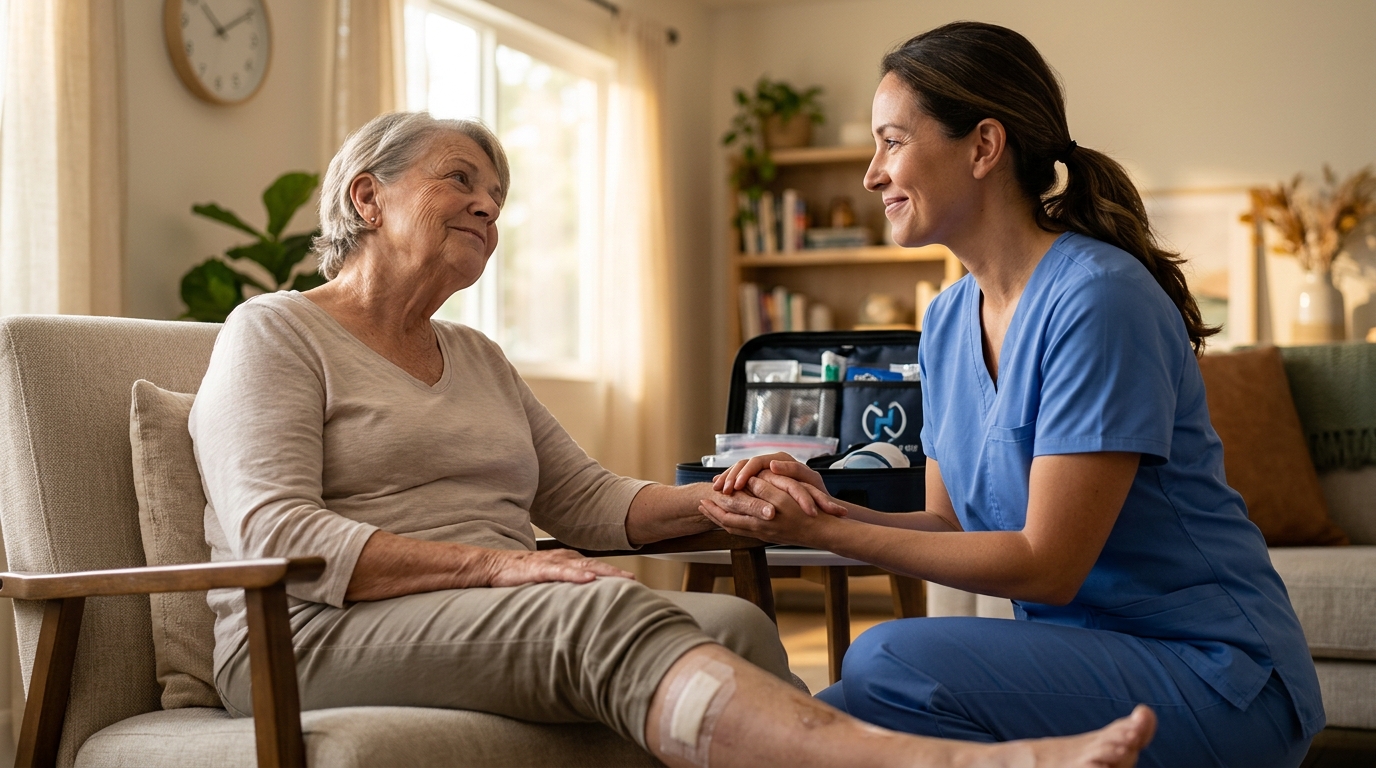
Common Mistakes in Non-Healing Wound Care and Prevention Strategies
Chronic wounds represent a significant burden on the healthcare system, with data shows that millions of Americans suffer from diabetic foot ulcers alone. These complex injuries often fail to progress through the normal stages of healing due to underlying vascular issues, infection, or improper management. Understanding the physiological barriers to closure is the first step toward effective treatment. This guide outlines the most frequent clinical errors made during wound care and provides evidence-based prevention strategies to restore the healing trajectory. (About Healix360 Mobile Wound)
The Moisture Balance Misconception
One of the most critical errors in wound management is the failure to maintain a moist wound environment. Historically, wounds were allowed to dry out and form scabs, but modern clinical evidence proves that epithelial cells migrate faster in a moist environment. According to research published in the Journal of Wound Care, moist wound healing reduces healing time by up to 40 percent compared to dry healing. (Wound Care Blog Healix360)
However, the mistake often lies in the opposite direction: excessive moisture. When a wound is too wet, the surrounding skin becomes macerated, which breaks down healthy tissue and expands the wound bed. This creates a vicious cycle where the wound grows larger despite treatment efforts. Proper dressing selection is essential to manage exudate levels effectively.
Signs of Improper Moisture Management
Patients and caregivers must monitor the periwound skin daily. If the skin around the wound appears white, wrinkled, or soft, it is a sign of maceration. Conversely, if the wound bed appears dry and leathery, it lacks the necessary hydration for cellular migration. Adjusting the dressing type, such as switching from a hydrocolloid to a foam dressing, can correct these imbalances.
Debridement and Tissue Management Errors
Debridement is the removal of dead, damaged, or infected tissue to improve the healing potential of the remaining healthy tissue. A common mistake is neglecting debridement entirely or performing it too aggressively without assessing blood flow. Healix360 coordinates access to physician-led advanced wound care that prioritizes meticulous tissue evaluation before any intervention.
Necrotic tissue acts as a physical barrier to healing and a breeding ground for bacteria. If this tissue is not removed, the wound cannot progress to the proliferation phase. However, aggressive debridement in areas with poor blood supply, such as arterial ulcers, can lead to further tissue loss and gangrene. This is why a clinical assessment of vascular status is mandatory before debridement.
Types of Debridement
Sharp debridement involves the use of sterile instruments to cut away necrotic tissue. Autolytic debridement uses the body's own enzymes and moisture to soften and remove dead tissue. Surgical debridement is reserved for extensive tissue removal. Each method has specific indications, and choosing the wrong one can delay healing or cause unnecessary pain.
Ignoring Early Signs of Infection
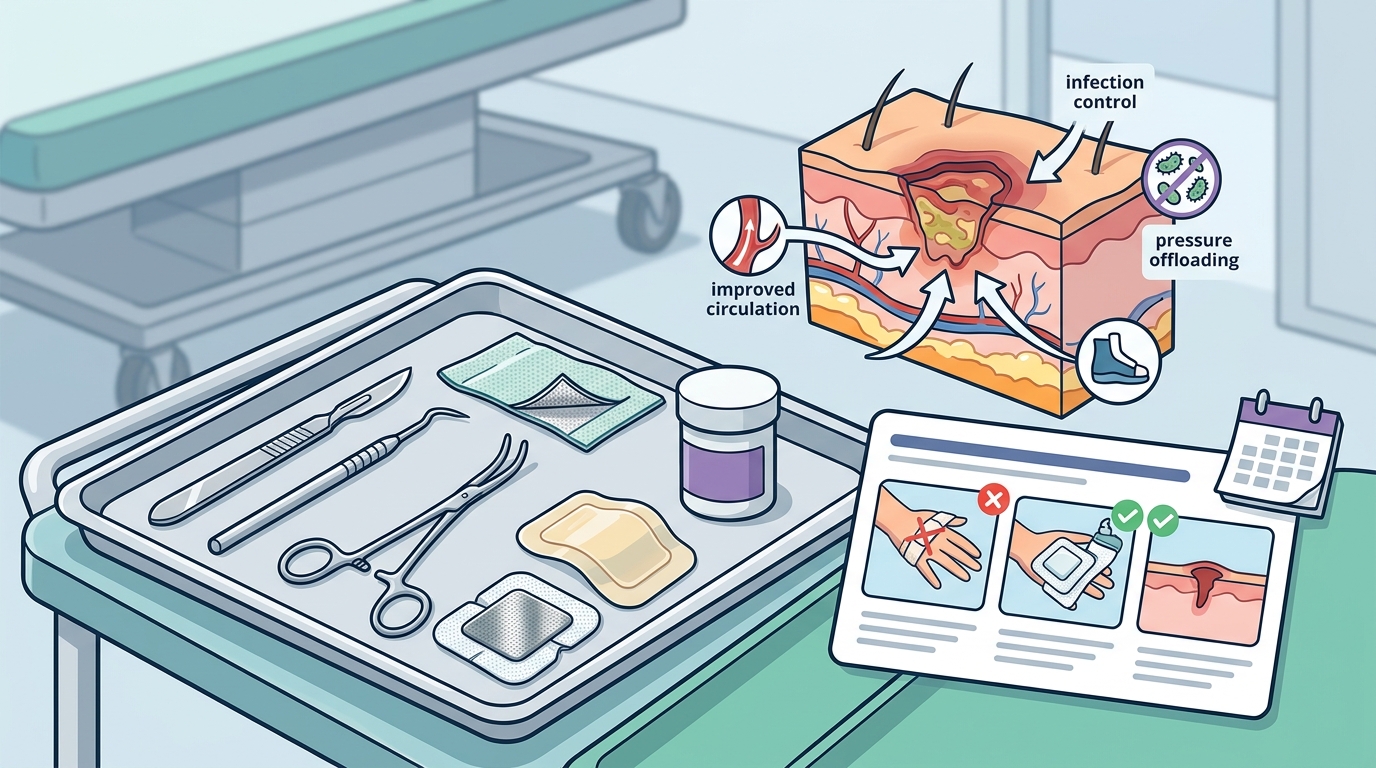
Chronic wounds are highly susceptible to infection because the skin barrier is compromised. A frequent error is waiting for systemic symptoms like fever before seeking help. Local signs of infection often appear first and are easily missed. Data shows that antimicrobial resistance is a growing concern, making early detection and targeted treatment crucial for patient safety.
Signs of local infection include increased redness, warmth, swelling, and purulent drainage. The wound may also develop a foul odor. Ignoring these signs allows bacteria to proliferate, leading to cellulitis, osteomyelitis, or sepsis. Early intervention with appropriate antimicrobial dressings or systemic antibiotics can prevent these severe complications.
When to Seek Immediate Care
If you notice red streaks extending from the wound, increased pain, or a sudden change in the wound's appearance, seek medical attention immediately. Delaying care for infected wounds can result in hospitalization and more invasive treatments, such as surgical debridement or amputation in severe cases.
Failure to Address Pressure and Offloading
For diabetic foot ulcers and pressure injuries, continued pressure on the wound is the primary reason for non-healing. Patients often continue to walk on the wound, believing that rest is not necessary. This mistake prevents the formation of new tissue and can lead to deeper tissue damage. Mobile wound care providers emphasize the importance of strict offloading protocols to ensure healing.
Offloading involves removing pressure from the wound site using specialized boots, casts, or crutches. Total contact casts are considered the gold standard for diabetic foot ulcers because they distribute pressure evenly across the foot. Without proper offloading, even the most advanced wound care treatments will fail.
Offloading Compliance
Patient compliance with offloading devices is often low due to discomfort or inconvenience. Education on the necessity of these devices is critical. Patients must understand that removing the device to walk on the wound resets the healing clock and can cause significant tissue damage.
Nutritional Deficiencies in Healing
Wound healing is an energy-intensive process that requires specific nutrients. A common mistake is overlooking the patient's nutritional status. According to the Academy of Nutrition and Dietetics, protein deficiency is a leading cause of delayed wound healing. Patients with chronic wounds often have increased protein requirements to support tissue repair.
Vitamins A and C, zinc, and arginine are also essential for collagen synthesis and immune function. Malnourished patients are less likely to heal and more likely to experience wound breakdown. A comprehensive nutritional assessment should be part of every wound care plan.
Dietary Recommendations
Including high-protein foods such as lean meats, eggs, and legumes in the diet can support healing. Supplementation may be necessary for patients with poor oral intake. Working with a registered dietitian can help tailor nutritional interventions to individual needs.
Wound Care Modalities Comparison
Selecting the appropriate wound care modality is critical for successful outcomes. The table below compares common advanced wound care treatments used for complex wounds.
| Treatment Modality | Primary Indication | Mechanism of Action | Typical Healing Benefit |
|---|---|---|---|
| Negative Pressure Wound Therapy | Deep wounds, amputation sites | Removes exudate, promotes granulation | Accelerates closure by 30-40% |
| Bioengineered Skin Substitutes | Diabetic foot ulcers, venous ulcers | Provides scaffold for cell migration | Increases closure rates in refractory wounds |
| Sharp Debridement | Necrotic tissue presence | Removes barrier to healing | Restores healing phase progression |
| Antimicrobial Silver Dressings | Infected or high-risk wounds | Reduces bacterial load | Prevents infection progression |
Key Takeaways
- Maintain a moist wound environment to accelerate epithelialization and prevent scab formation.
- Regular debridement of necrotic tissue is essential, but must be balanced with vascular status.
- Early detection of infection signs prevents systemic complications and hospitalization.
- Strict offloading is non-negotiable for diabetic foot ulcers and pressure injuries.
- Nutritional support, particularly protein intake, is critical for tissue repair.
- Advanced therapies like NPWT and bioengineered skin can salvage refractory wounds.
- Professional coordination ensures comprehensive care across all wound types.
Frequently Asked Questions
Why do some wounds never heal?
Wounds often fail to heal due to underlying conditions such as diabetes, peripheral arterial disease, or chronic venous insufficiency. These conditions impair blood flow and oxygen delivery to the tissue, which are essential for healing.
How long does it take for a chronic wound to heal?
Healing timelines vary significantly based on the wound type, size, and patient health. According to clinical studies, diabetic foot ulcers may take several months to heal, while venous ulcers can take longer without proper compression therapy.
Can I treat a chronic wound at home?
While basic dressing changes can be done at home, complex wounds require professional evaluation. Self-treatment without addressing the underlying cause can lead to worsening conditions and amputation.
What is the role of a wound care specialist?
A wound care specialist assesses the wound, identifies barriers to healing, and coordinates advanced treatments. They ensure that the patient receives the correct modalities and offloading strategies.
Are bioengineered skin substitutes effective?
Yes, bioengineered skin substitutes have shown high efficacy in closing diabetic foot ulcers and venous leg ulcers that have not responded to standard care. They provide a biological scaffold that promotes natural healing.
How does diabetes affect wound healing?
Diabetes causes neuropathy and vascular disease, which reduce sensation and blood flow. This makes wounds more likely to occur and less likely to heal without intervention.
What is the best dressing for a draining wound?
For wounds with high exudate, absorptive dressings such as alginates or foams are typically recommended to manage moisture and protect the periwound skin.
Begin Your Healing Journey
Do not let non-healing wounds compromise your quality of life. Early intervention with advanced, physician-led care can prevent complications and accelerate recovery. Healix360 coordinates access to mobile wound care services across Southern California and Nevada, bringing hospital-grade treatment directly to your home. Contact us today to schedule a provider visit and take the first step toward healing.