
Common Mistakes When Selecting a Mobile Wound Care Provider in Southern California
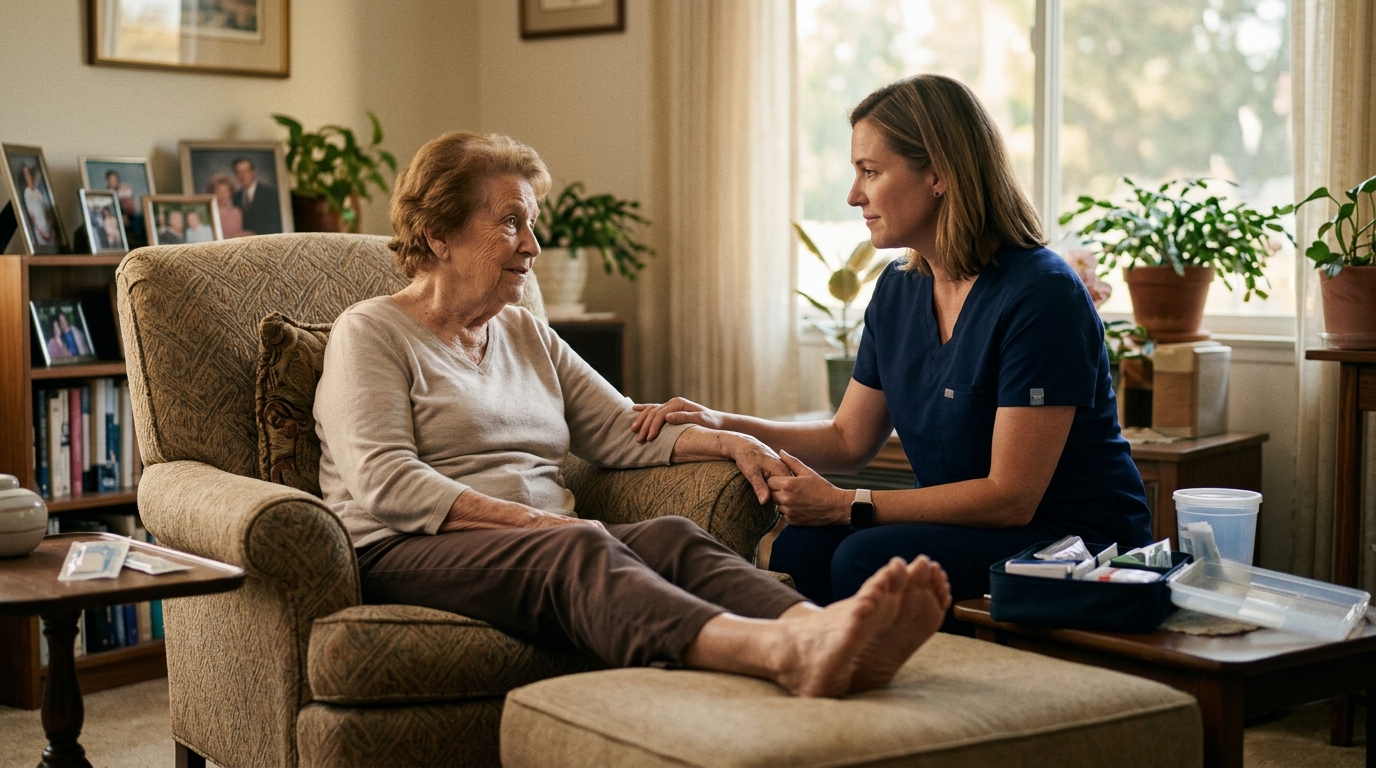
Chronic wounds are a silent crisis affecting millions of Americans, with diabetes statistics showing that nearly one in four patients will develop a foot ulcer in their lifetime. For families in Southern California, the convenience of mobile wound care is appealing, but the decision carries significant medical weight. Choosing the wrong provider can lead to delayed healing, increased infection risks, and unnecessary hospital readmissions. This guide outlines the critical errors to avoid when evaluating in-home wound care services. (About Healix360 Mobile Wound)
Why Physician-Led Care is Non-Negotiable
One of the most dangerous mistakes patients make is assuming that any mobile nurse can manage complex chronic wounds. Wound care is not merely about changing bandages. It requires a deep understanding of vascular physiology, infectious disease, and tissue regeneration. Physician-led care is the standard for complex wound management.
When a licensed physician or nurse practitioner assesses a wound, they are not just looking at the surface. They are evaluating blood flow, nutritional status, and underlying comorbidities. Without this high-level clinical oversight, treatments often fail to address the root cause of the non-healing tissue. Providers like Healix360 coordinate access to physician-led advanced wound care, ensuring that every patient receives hospital-grade treatment in the comfort of their home. This distinction is vital for conditions such as diabetic foot ulcers and arterial ulcers, which require specialized vascular assessment.
Ignoring Insurance and Medicare Coverage
Financial transparency is often an afterthought for families in crisis. Many mobile wound care services operate on a cash-only basis, which can be financially devastating for patients with chronic conditions. A critical error is selecting a provider that does not accept Medicare Part B or major insurance plans. Medicare Part B covers skilled nursing and medical supplies for wound care, but only if the provider is enrolled and accepts the assignment.
Before committing to a service, verify their billing practices. Do not assume that "mobile" means "out-of-pocket." Reputable coordination services, such as those serving Southern California and Nevada, typically accept Medicare Part B and most major insurance plans. Confirming this upfront prevents unexpected bills and ensures that the patient can focus on recovery rather than financial stress. Always ask for a clear explanation of what is covered under the patient's specific policy.
Limiting Treatment to Basic Dressings
Not all mobile wound care providers offer the same spectrum of treatments. A common mistake is hiring a service that only provides basic wound cleaning and standard dressing changes. While these are necessary, they are often insufficient for complex, non-healing wounds. Advanced wound care requires a multi-modal approach that may include surgical debridement, negative pressure wound therapy, and the application of bioengineered skin.
Advanced biologics and regenerative therapies are essential for stubborn wounds. For example, amputation-site wounds often require specialized residual limb management to prevent further complications. Similarly, burn wounds may need amniotic tissue or antimicrobial silver dressings to control infection and promote granulation. If a provider cannot offer these advanced modalities, they may be unable to facilitate true healing, leading to prolonged suffering and higher long-term costs.
Overlooking Response Time and Availability
Wounds do not wait for convenient appointment slots. Infections can escalate rapidly, turning a manageable condition into a life-threatening emergency. A significant error is selecting a provider with long wait times for initial assessments. Patients need care that begins within a reasonable timeframe, typically within three to five business days of the initial request.
When evaluating providers, ask about their intake process. How quickly can a clinician be dispatched? Is there 24/7 support for urgent concerns? Speed of intervention is directly correlated with better outcomes. A coordination service that prioritizes rapid access to care ensures that patients receive timely treatment, reducing the risk of hospitalization. Always inquire about their average response time before signing any agreements.
Choosing a Provider Outside Your Service Area
Mobile wound care is inherently local. A provider based in Los Angeles may not have the logistical capacity to serve patients in San Diego or Las Vegas effectively. Geographic limitations can lead to delayed visits, higher travel costs, and inconsistent care quality. It is crucial to choose a provider that explicitly serves your specific county or region.
Healix360, for instance, serves Southern California and Nevada, including Los Angeles, Orange, Riverside, San Bernardino, Ventura, and San Diego counties, as well as Las Vegas. This regional focus ensures that clinicians are familiar with local healthcare networks, referral pathways, and community resources. Choosing a provider with a broad but undefined service area may result in a mismatch between your location and their operational capacity. Always confirm that the provider actively covers your zip code.
Failing to Assess the Diagnostic Process
Effective wound care begins with a thorough diagnostic evaluation. A common mistake is accepting a provider who offers a "one-size-fits-all" treatment plan without a comprehensive assessment. Every patient is unique, and their wound etiology must be understood before treatment begins. This includes evaluating vascular health, nutritional status, and potential infections.
A high-quality provider will design and oversee a personalized treatment plan that may include compression therapy, offloading devices, and regular follow-up assessments. They will also coordinate with the patient's primary care physician and specialists to ensure holistic care. When interviewing potential providers, ask about their diagnostic criteria and how they monitor progress. A provider who relies on standardized protocols without individualized adjustments is likely to deliver suboptimal results.
Key Takeaways
- Physician Oversight: Ensure the provider coordinates with licensed physicians or nurse practitioners for all complex cases.
- Insurance Acceptance: Verify that the service accepts Medicare Part B and your specific insurance plan to avoid financial burden.
- Advanced Treatments: Look for providers offering advanced modalities like negative pressure therapy and bioengineered skin.
- Rapid Response: Choose a service that can begin care within 3-5 business days to prevent infection escalation.
- Regional Coverage: Confirm that the provider explicitly serves your county or city in Southern California or Nevada.
- Personalized Plans: Avoid providers who offer generic treatment plans without a thorough initial diagnostic assessment.
Frequently Asked Questions
What is the difference between mobile wound care and home health care?
Mobile wound care is a specialized service focused exclusively on the assessment and treatment of chronic and complex wounds. Home health care is a broader category that may include nursing, physical therapy, and occupational therapy for general recovery. Mobile wound care providers often specialize in advanced modalities like debridement and biologics that general home health agencies may not offer.
Does mobile wound care cover all types of wounds?
While mobile wound care can treat a wide range of conditions, it is particularly effective for chronic wounds such as diabetic foot ulcers, venous leg ulcers, pressure injuries, and post-surgical wounds. Acute traumatic injuries may require emergency room evaluation first. Providers typically assess each case to determine if in-home treatment is appropriate and safe.
How quickly can I get an appointment with a mobile wound care provider?
Response times vary by provider, but many coordination services aim to begin care within three to five business days. Urgent cases may be prioritized for faster assessment. It is important to ask about wait times during the initial inquiry to ensure timely intervention.
Is mobile wound care covered by insurance?
Many mobile wound care services accept Medicare Part B and most major insurance plans. Coverage depends on the specific policy and the medical necessity of the treatment. Providers often assist with insurance verification and billing to help patients understand their benefits.
What should I look for in a mobile wound care provider?
Key factors include physician-led care, acceptance of your insurance, availability of advanced treatment options, rapid response times, and a clear service area. Additionally, consider the provider's experience with your specific type of wound and their coordination with your existing healthcare team.
Take the Next Step in Your Healing Journey
Selecting the right mobile wound care provider is a critical decision that impacts your health, safety, and financial well-being. By avoiding these common mistakes, you can ensure that you receive the highest standard of care in the comfort of your home. If you are in Southern California or Nevada and need advanced wound care, contact Healix360 today to request a provider and begin your path to healing.