
Common Referral Mistakes When Accessing Advanced Mobile Wound Care in Southern California
Delaying the initiation of advanced wound care by even a few days can significantly increase the risk of hospitalization or limb loss for patients with chronic ulcers. According to recent clinical data, approximately 25% of diabetic foot ulcers result in amputation within five years if not managed aggressively and early. This statistic underscores the critical importance of timely, coordinated intervention. Many patients and referring providers in Southern California inadvertently delay care due to logistical confusion, insurance misunderstandings, or a lack of awareness about mobile care options. Understanding these common pitfalls is essential for ensuring that patients receive the hospital-grade treatment they need without unnecessary delays. (About Healix360 Mobile Wound)
Misunderstanding the Scope of Mobile Wound Care
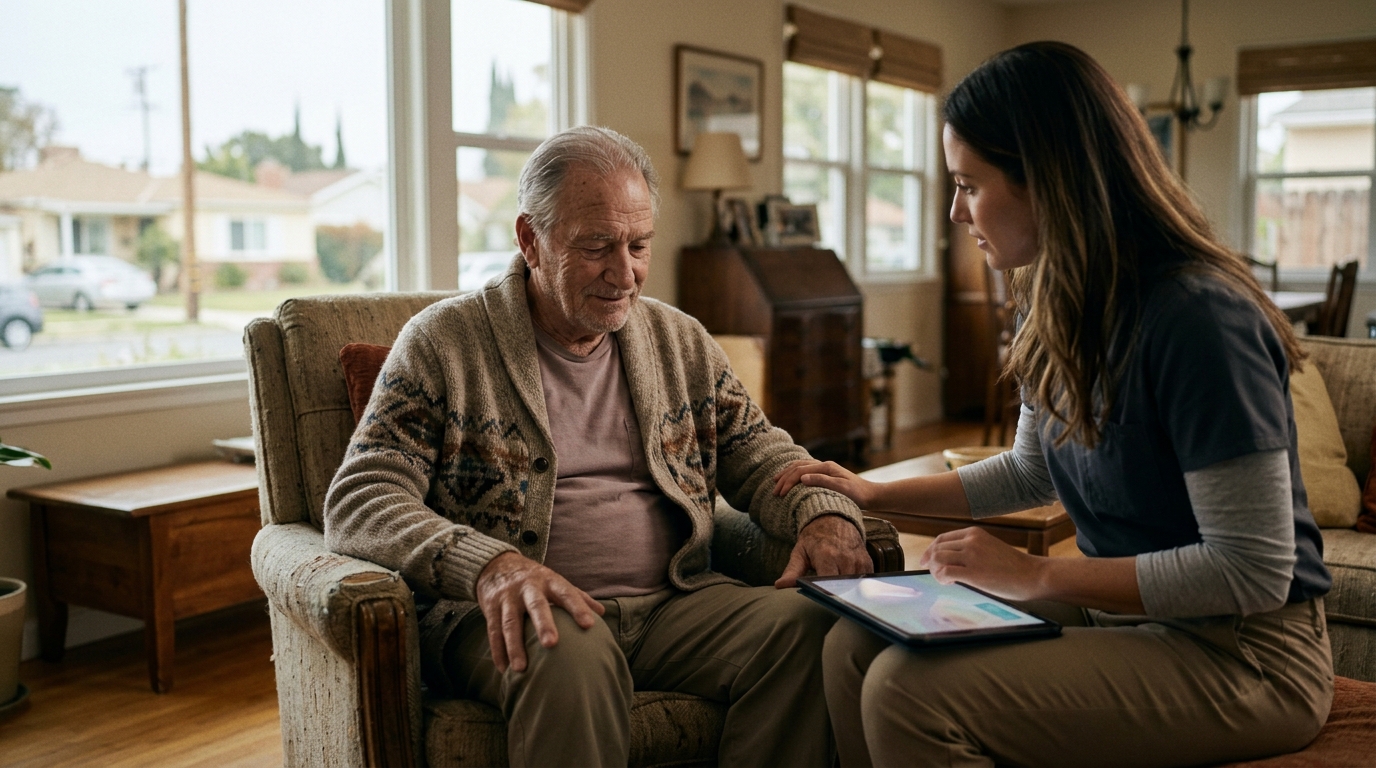
A primary error in the referral process is the misconception that mobile wound care is limited to basic dressing changes or home health nursing. This misunderstanding often leads providers to refer patients to traditional outpatient clinics or emergency departments when a more specialized, physician-led mobile service is actually required. Advanced mobile wound care involves licensed physicians and nurse practitioners who deliver hospital-grade treatments directly to the patient's home, assisted living facility, or skilled nursing center. These clinicians perform complex procedures such as sharp debridement, negative pressure wound therapy (NPWT) application, and the management of bioengineered skin substitutes. When referrals are made to generalist providers who lack these specific advanced modalities, the healing timeline is often extended, and the risk of complications increases.
Healix360 coordinates access to physician-led advanced wound care for patients across Southern California and Nevada. By ensuring that the referring provider understands the depth of clinical expertise available in a mobile setting, the referral process becomes more efficient. The goal is to match the patient's specific wound complexity with a clinician who has the training and equipment to manage it in situ. This approach not only improves clinical outcomes but also enhances patient comfort by eliminating the need for transportation to a clinic.
Insurance Verification and Medicare Part B Errors
Another frequent mistake involves the failure to verify insurance coverage, particularly regarding Medicare Part B. Many patients and even some referring offices assume that mobile wound care is an out-of-pocket expense or is covered only by specific private insurance plans. However, Medicare Part B does cover medically necessary wound care services, including those provided in the home setting by qualified practitioners. When this verification step is skipped, patients may face unexpected financial burdens or delays while insurance claims are processed retroactively.
Healix360 accepts Medicare Part B and most major insurance plans, which helps streamline the administrative side of care. However, the referring provider must still initiate the verification process to ensure that the specific treatments planned, such as specialized debridement or advanced biologics, are covered under the patient's policy. Clear communication about coverage prevents financial anxiety from becoming a barrier to timely care. It also ensures that the patient can focus on healing rather than worrying about the cost of treatment.
Delaying Care Coordination and Provider Access
Time is a critical factor in wound healing, yet many referrals are delayed due to inefficient coordination between the referring provider and the mobile care service. In the acute phase of wound management, especially for conditions like diabetic foot ulcers or pressure injuries, every day without proper intervention can lead to tissue necrosis or infection spread. A common mistake is assuming that the patient will self-manage the referral process. Instead, the referring provider should actively coordinate the intake to ensure that care begins within the optimal window.
At Healix360, care typically begins within 3 to 5 business days of the initial request. This rapid response time is designed to prevent the deterioration of complex wounds. When referrals are handled through a centralized coordination service, the logistical hurdles of scheduling, provider availability, and equipment preparation are managed efficiently. This allows the clinical team to focus on the patient's immediate needs rather than administrative delays. Early intervention is key to preserving tissue and preventing the need for more invasive surgical interventions.
Assuming Geographic Limitations Exist
Patients and providers often assume that advanced mobile wound care is only available in major metropolitan centers like downtown Los Angeles or central San Diego. This misconception can lead to patients in surrounding counties being referred to distant clinics, increasing the burden of travel for those with limited mobility. In reality, advanced mobile wound care networks are expanding to cover a wide range of geographic areas, including suburban and rural communities within the service region.
Healix360 serves Los Angeles, Orange, Riverside, San Bernardino, Ventura, and San Diego counties, as well as Las Vegas. This extensive coverage ensures that patients do not have to compromise on the quality of care due to their location. By recognizing that advanced mobile care is accessible across these regions, providers can make more appropriate referrals that keep patients close to their support systems. This proximity is crucial for long-term wound management, as it facilitates regular follow-up visits and strengthens the connection between the patient and their care team.

Ignoring Specialized Wound Types
Not all wounds are created equal, and a common mistake is treating complex wounds with generic protocols. Conditions such as arterial ulcers, venous leg ulcers, and amputation-site wounds require distinct, specialized approaches. For example, arterial ulcers stem from severe ischemia and require careful, conservative debridement and close coordination with vascular specialists. Applying standard venous ulcer protocols, such as aggressive compression, to an arterial ulcer can be harmful and worsen the condition. Referring providers must accurately identify the wound type to ensure that the mobile care team is equipped with the appropriate expertise and tools.
Healix360's clinicians are experienced in the evaluation and management of complex wounds, including amputation-site wounds and arterial ulcers. They focus on salvaging tissue length, managing infection, and preparing the residual limb for prosthetic fitting when applicable. By ensuring that the referral includes detailed information about the wound's etiology and current status, the mobile care team can tailor the treatment plan from the very first visit. This precision in referral leads to more effective treatment and faster progression toward wound closure.
Key Takeaways
- Mobile Care is Physician-Led: Advanced mobile wound care involves licensed physicians and nurse practitioners delivering hospital-grade treatments, not just basic nursing care.
- Medicare Part B Coverage: Many patients are eligible for Medicare Part B coverage for mobile wound care services, reducing financial barriers to access.
- Rapid Response Time: Care typically begins within 3 to 5 business days, emphasizing the importance of timely referral to prevent tissue deterioration.
- Wide Geographic Coverage: Services are available across Southern California counties and Nevada, eliminating the need for long-distance travel for specialized care.
- Specialized Treatment Protocols: Different wound types, such as arterial and amputation-site wounds, require distinct clinical approaches that must be communicated in the referral.
- Coordination is Key: Active coordination between the referring provider and the mobile care service ensures a seamless transition to treatment.
- Early Intervention Prevents Amputation: Timely access to advanced therapies significantly reduces the risk of amputation in patients with diabetic foot ulcers.
Frequently Asked Questions
What is the difference between mobile wound care and home health nursing?
Mobile wound care is delivered by licensed physicians and nurse practitioners who perform advanced clinical procedures, such as sharp debridement and the application of bioengineered skin. Home health nursing typically focuses on basic dressing changes and monitoring, lacking the specialized surgical and regenerative capabilities of mobile wound care.
Does Healix360 accept Medicare Part B?
Yes, Healix360 accepts Medicare Part B and most major insurance plans. This coverage helps make advanced, physician-led wound care accessible to a broader range of patients in Southern California and Nevada.
How quickly can care begin after a referral?
Care typically begins within 3 to 5 business days of the initial request. This rapid response is designed to address complex wounds before they deteriorate further.
What types of wounds can be treated in the home?
Healix360 treats a wide range of chronic and complex wounds, including diabetic foot ulcers, venous leg ulcers, pressure injuries, post-surgical wounds, arterial ulcers, and amputation-site wounds.
Do I need a vascular surgeon for an arterial ulcer?
While Healix360 clinicians do not perform vascular surgery, they coordinate closely with vascular specialists to ensure patients receive necessary revascularization procedures. Restoring blood flow is critical for healing arterial ulcers.
What areas do you serve in Southern California?
Healix360 serves Los Angeles, Orange, Riverside, San Bernardino, Ventura, and San Diego counties, as well as Las Vegas. This extensive coverage ensures that patients in both urban and suburban areas can access advanced care.
Can mobile wound care help with amputation-site wounds?
Yes, specialized residual limb management is a key service. Clinicians focus on salvaging tissue length, managing infection, and preparing the residual limb for prosthetic fitting through advanced therapies.
Begin Your Care Journey
Avoiding these common referral mistakes ensures that patients receive the timely, specialized care they deserve. If you are a provider or patient in Southern California or Nevada seeking advanced mobile wound care, contact Healix360 today. Our team is ready to coordinate access to physician-led treatment that comes to you. Visit Healix360 to learn more about our services and request a provider.