
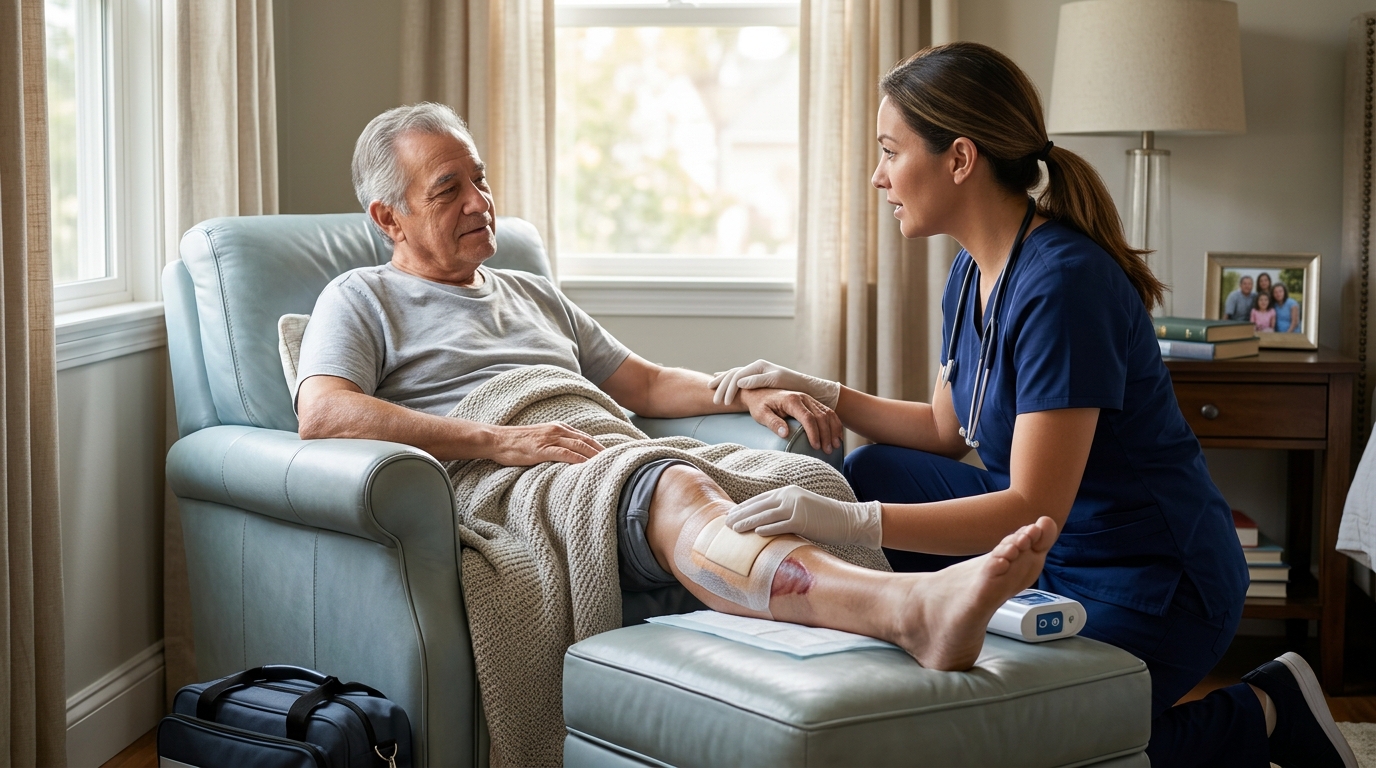
Severe pressure ulcers require a multi-modal approach combining offloading, advanced wound therapies, and strict infection control. Healix360 Advanced Mobile Wound Care Specialists brings this clinical expertise directly to your home, ensuring that complex Stage 3 and Stage 4 injuries receive the specialized attention they demand without the physical strain of traveling to a hospital outpatient center.
Understanding the Severity of Stage 3 and 4 Injuries
Pressure injuries are classified by the depth of tissue loss, and the later stages present significant clinical challenges. A Stage 3 pressure injury is defined by the National Pressure Injury Advisory Panel (NPIAP) as full-thickness loss of skin in which subcutaneous fat may be visible, but bone, tendon, and muscle are not exposed. A Stage 4 pressure injury is full-thickness loss of skin and tissue with exposed or directly palpable muscle, tendon, ligament, cartilage, or bone. These injuries are not merely cosmetic issues; they are serious medical conditions that carry a high risk of systemic infection and sepsis if not managed with clinical precision.
The clinical significance of distinguishing these stages from earlier injuries is enormous. Data from the Agency for Healthcare Research and Quality (AHRQ) indicates that Stage 3 and 4 pressure injuries are associated with hospital lengths of stay 4 to 6 days longer and hospitalization costs exceeding $43,000 per case. Furthermore, the six-month mortality rate for these injuries in elderly, debilitated patients can approach 60%. Recognizing the severity of these wounds is the first step in preventing long-term complications and ensuring that the treatment plan is aggressive enough to support tissue repair.
The Critical Role of Offloading and Support Surfaces
No amount of advanced dressing or regenerative therapy can heal a pressure ulcer if the underlying pressure is not removed. Offloading is the cornerstone of pressure injury management. This involves using a pressure-redistributing mattress, such as a high-specification foam surface or a powered alternating-pressure system, to reduce the load on the affected area. The choice of surface must be individualized based on the patient's mobility, weight, and the specific location of the ulcer. according to Nutritional interventions for
For patients who are bedbound, a pressure-redistributing mattress is often the starting point. However, a mattress alone does not eliminate pressure; it only reduces it. Caregivers must continue an individualized repositioning plan. There is no single safe rule that everyone must be turned every two hours; instead, the schedule should be individualized to the ulcer's location, skin response, and the patient's comfort. Heels often require separate offloading devices, such as heel suspension boots, to prevent pressure from shifting to the Achilles tendon. Repositioning schedules must be documented and adjusted if the skin does not tolerate the current plan.
Advanced Wound Bed Preparation and Debridement
Chronic wounds often become stalled in the inflammatory phase, filled with nonviable tissue that prevents new cells from growing. Debridement is the clinical removal of this nonviable or infected tissue to clear the way for healthy tissue to regenerate. In a home setting, licensed clinicians can perform sharp debridement, which is often more effective than autolytic or enzymatic methods for severe injuries. This procedure requires sterile technique and specialized training to ensure that only dead tissue is removed while preserving healthy, viable tissue.
For deep or heavily draining wounds, clinicians may also apply Negative Pressure Wound Therapy (NPWT), commonly known as a wound VAC. This system applies controlled sub-atmospheric pressure to the wound through a sealed foam dressing. The negative pressure physically contracts the wound edges, removes excess fluid that causes maceration, and stimulates the formation of new granulation tissue. When managed in the home, NPWT allows for continuous therapy that would be difficult to maintain in a traditional clinic setting, providing a consistent mechanical stimulus for healing.
Regenerative Therapies and Infection Control
For wounds that have not responded to standard care, regenerative therapies can provide the biological boost needed to restart the healing process. These treatments include the application of cellular and tissue-based products (CTPs), such as amniotic membrane grafts. These grafts act as biological scaffolds, delivering growth factors that signal the body to heal and providing a protective barrier against infection. Regenerative wound care is particularly useful for complex ulcers with poor circulation or those associated with underlying conditions like diabetes. according to Wound care centers
Infection control is equally critical. Severe pressure ulcers are prone to bacterial colonization, which can lead to cellulitis or osteomyelitis. Clinicians must monitor the wound for signs of infection, such as increased redness, warmth, foul odor, or purulent drainage. If infection is present, it must be treated with appropriate antibiotics before regenerative therapies can be effective. The home environment allows for close monitoring of these signs, enabling clinicians to adjust the treatment plan promptly if the wound's condition changes.
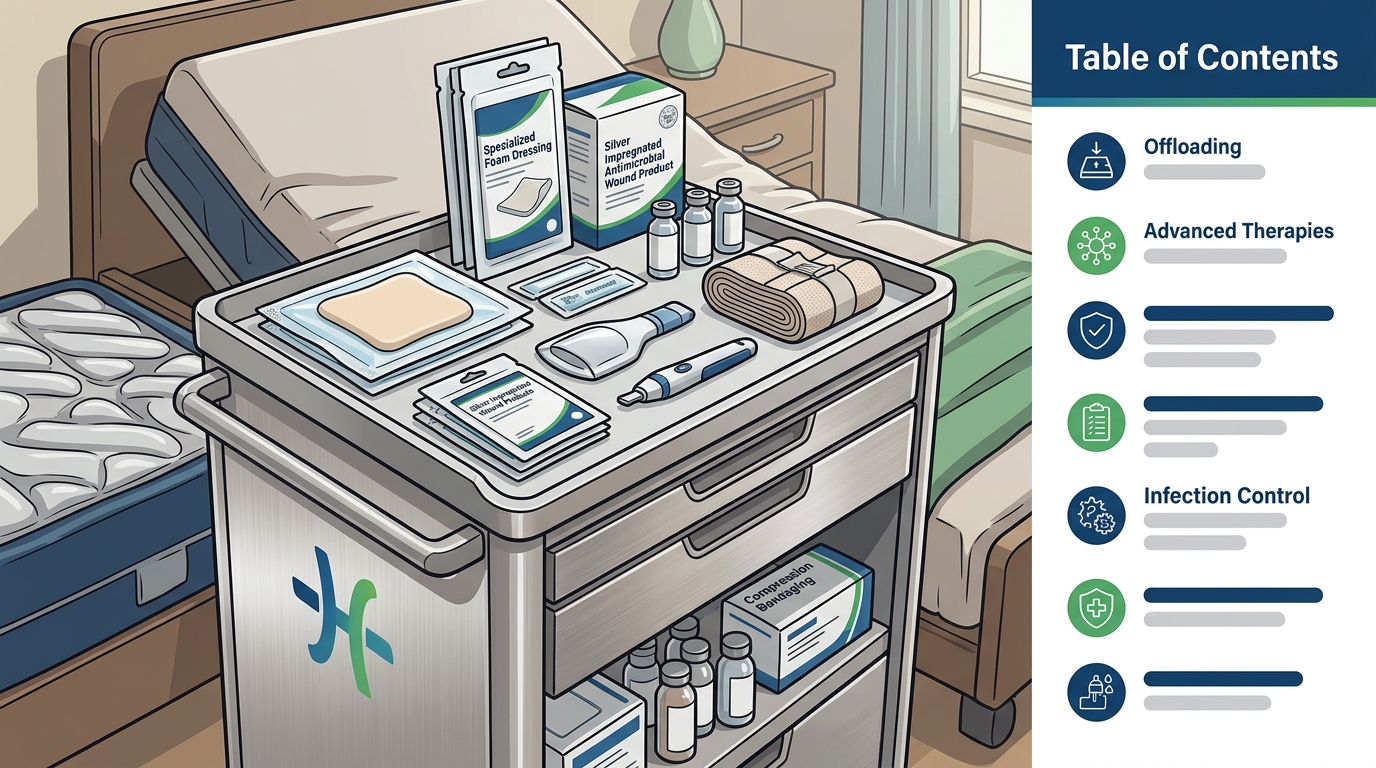
Coordinating Care in the Home Environment
Managing a severe pressure ulcer at home requires a coordinated team approach. The patient, family members, and caregivers must all understand their roles in the care plan. This includes performing daily skin checks, maintaining proper nutrition and hydration, and ensuring that the patient is repositioned according to the clinician's instructions. Wound care education for caregivers is a vital component of this process, empowering families to take an active role in the healing journey.
Healix360 coordinates this care by connecting patients with licensed physicians and nurse practitioners who provide mobile wound evaluations and treatment. This model removes the logistical barriers of travel, which can be physically exhausting for patients with limited mobility. By bringing the clinician to the home, the care team can assess the wound in its natural environment, observe how the patient moves and sleeps, and tailor the treatment plan to the patient's specific needs. This personalized approach ensures that the care is not only clinically sound but also practical for the patient's daily life.
Key Takeaways
- Stage 3 and 4 pressure injuries are serious medical conditions that require immediate clinical escalation and specialized care.
- Offloading is the foundation of pressure ulcer treatment; no dressing or therapy can heal a wound if pressure is not removed.
- Debridement and Negative Pressure Wound Therapy (NPWT) are effective tools for preparing the wound bed and stimulating tissue growth. according to WHS Guidelines for
- Regenerative therapies, such as amniotic membrane grafts, can help restart the healing process in stalled chronic wounds.
- Infection control is critical; wounds must be free of infection before regenerative therapies can be effective.
- Mobile wound care brings specialized clinical expertise to the home, removing travel barriers and allowing for personalized, consistent treatment.
Frequently Asked Questions
Can severe pressure ulcers be treated at home?
Yes, severe pressure ulcers can be treated at home by licensed physicians and nurse practitioners. Mobile wound care brings the same level of clinical expertise to the home as a hospital outpatient center, including advanced therapies like debridement and NPWT.
What is the most important step in treating a pressure ulcer?
Offloading is the most important step. Without removing pressure from the affected area, no other treatment will be effective. This involves using a pressure-redistributing mattress and following a strict repositioning schedule.
How often should a patient with a pressure ulcer be repositioned?
There is no single rule for everyone. The repositioning schedule should be individualized by a clinician based on the ulcer's location, the patient's mobility, and skin tolerance. It is often every two hours, but this can vary. according to Pressure ulcer prevention
Does Medicare cover mobile wound care for pressure ulcers?
Medicare Part B covers medically necessary wound care, including evaluation, debridement, and advanced therapies, when delivered by a licensed physician or nurse practitioner in the patient's home. Coverage is case-specific and must be verified with the patient's plan.
What are the signs that a pressure ulcer is infected?
Signs of infection include increased redness, warmth, swelling, foul odor, or purulent drainage. If you notice these signs, contact your care team immediately. Infection must be treated before regenerative therapies can be effective.
How long does it take to heal a Stage 3 or 4 pressure ulcer?
Healing time varies widely depending on the size and depth of the wound, the patient's overall health, and the effectiveness of the treatment plan. Some wounds may take weeks, while others may take months. Consistent, specialized care is key to achieving the best possible outcome.
Next Steps for Patients and Caregivers
If you or a loved one is dealing with a severe pressure ulcer, it is important to seek specialized care as soon as possible. Contact Healix360 to schedule a mobile wound evaluation. Our team will coordinate with your existing healthcare providers to ensure that you receive the most appropriate and effective treatment in the comfort of your home.